
10 Best Speech Therapy Exercises for Autism Children [2026]
Autism among children is an issue that should be allowed time and consistency should be embraced in order to ensure that, the child develops effective communication skills. This, perhaps, the most influential process can be realized through speech therapy exercises for autism children, as these activities not only develop speech but also can facilitate socialization, emotional insights, and communicating in everyday life.
This all-inclusive guide will help us discuss some practical speech therapy activities for autism kids, effective speech therapy techniques for autism, and exercises that parents can use at home.
Regardless of where your child is on the endurance, verbal or non-verbal to needing speech support, these suggestions will help clear up some of the issues creating difficulties in communication and understanding.
Why Speech Therapy is Essential for Autism Children
Autism is associated with speech and language problems. Reasons can cause others to take their time to talk and other individuals may fail to pronounce and acquire sodoc skills and learning nonverbal expressivity. This gap can be closed with the help of speech therapy exercises on autism children that the main accent in these exercises is the work on the improvement of expressive and receptive language, including articulation, and the work on communicational skills.
The principal benefits are the following ones:
- Better communication skills –It ensures that kids indicate their needs, feelings, and thoughts, more clearly.
- Social Engagement- Makes the individual more active in play set ups, school, and groups.
- Behavioral improvement- Reduces frustration due to speaking problem.
- Academic readiness – Enhances language comprehension and the ability to speak acquired in the classroom.
Speech therapy may be essentially performed in clinics or schools or even in homes. Parents play an important role by practicing speech therapy at home for autism, making everyday routines an opportunity for speech growth. For instance, activities like storytelling, singing rhymes, or using interactive games can help improve speech in autism children naturally.
In Chennai, many parents search for effective speech therapy exercises for autism children in Chennai to support their child’s communication journey. Areas like Anna Nagar and Chromepet have recognized centres and resources where families can access professional guidance.
10 Fun and Effective Speech Therapy Exercises for Autism Children
These activities touch multiple goals—articulation, vocabulary, social use of language, and sensory regulation—so they function as holistic speech development exercises for autism children and everyday communication exercises for autism children.
1) Imitation Games to Boost Speech and Listening Skills
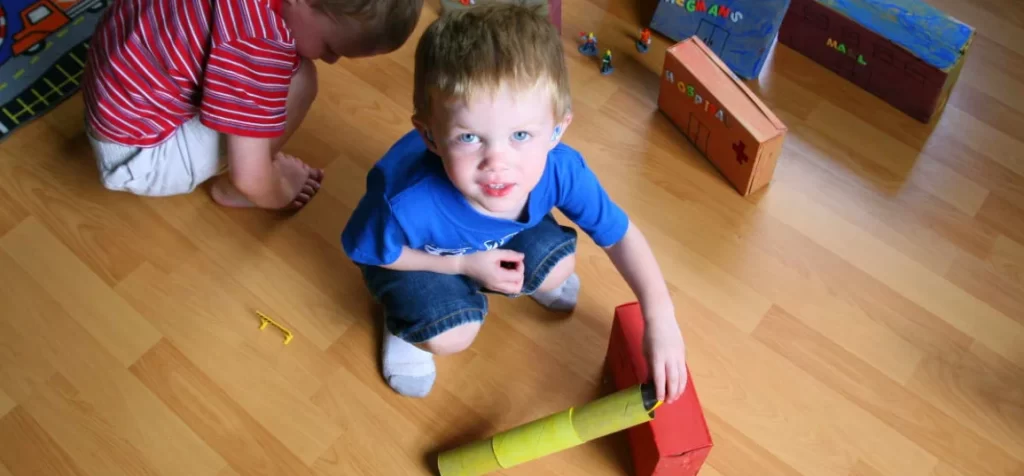
Imitation lays the groundwork for language. These fun and easy speech exercises for autism children strengthen attention, listening, and first sounds while keeping pressure low.
- Start with turn-taking and imitation games for autistic children: copy claps, waves, nods, and simple mouth sounds (ba/ma/pa).
- Pair actions with single words, then short phrases (“wave bye,” “more juice”).
- Model slowly, then pause—give time for a response before prompting again.
Consistent imitation practice becomes natural, motivating speech therapy exercises for autism children at home and in class.
2) Using Picture Cards (PECS) to Encourage Communication
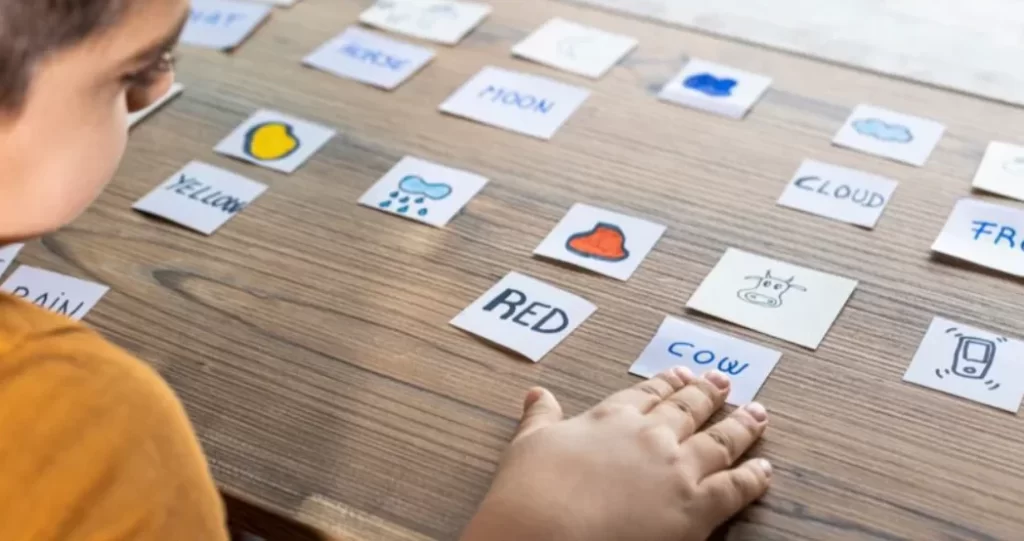
For emerging or non-verbal communicators, picture-based speech therapy exercises for autism reduce frustration and build meaningful requests.
- Begin with motivating items (snacks/toys) and a single picture exchange.
- Expand to two-picture choices (“ball” vs “car”), then simple sentence strips (“I want ___”).
- Keep visuals available during routines to prompt communication everywhere.
PECS is among the best speech exercises for non-verbal autistic children, and a reliable bridge toward spoken words.
3) Singing, Rhymes, and Music for Speech Development
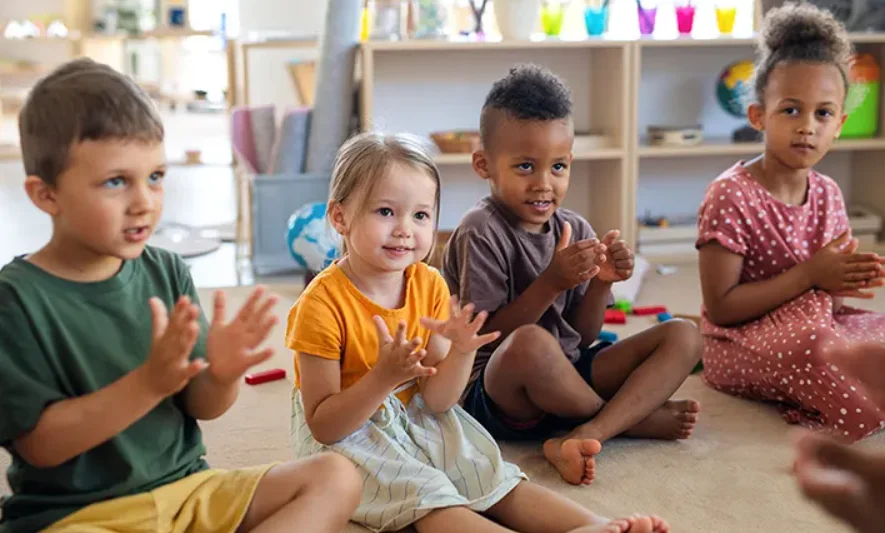
Rhythm improves attention, memory, and articulation. Use music and rhyme activities to improve speech in autistic kids to anchor sound patterns.
- Sing predictable rhymes; pause for your child to fill the last word.
- Tap or drum syllables to shape speech timing.
- Add gestures (point, clap, sign) for multimodal learning—great language development activities for autism kids.
Song-based routines double as engaging speech therapy activities for autism kids you can repeat daily.
4) Oral Motor Exercises to Strengthen Speech Muscles

Clear speech needs stability and coordination. Target lips, tongue, jaw, and breath with oral motor exercises for autism speech.
- Blow bubbles/whistles; use straws for thick liquids to build lip seal and breath support.
- Tongue “push-ups”: up, down, side-to-side, behind teeth.
- Exaggerate mouth shapes in front of a mirror for tricky sounds—these are powerful speech development exercises for autism children.
With gentle repetition, these drills improve speech in autism children by supporting precise movements.
5) Storytelling with Pictures to Expand Vocabulary

Visual stories scaffold comprehension and narration—perfect storytelling and speech development for autism children.
- Use picture books or photo sequences; ask who/what/where/when questions.
- Practice sequencing: “first–next–then–last.”
- Label verbs (“run,” “pour,” “cut”) to combat delays—ideal speech delay activities for autism kids.
Picture stories grow vocabulary and confidence, reinforcing speech therapy techniques for autism naturally.
6) Pretend Play and Role-Playing for Social Communication

Real-world scripts make language functional. Role play speech therapy for autism strengthens turn-taking, perspective-taking, and polite requests.
- Act out shop/doctor/café scenes using cue cards (“hello,” “price,” “thank you”).
- Rotate roles so your child practices asking, answering, and negotiating—core pretend play activities to encourage speech in autism.
- Add visual checklists for steps (greet–request–pay–say bye).
Structured pretend play becomes one of the most transferable speech therapy techniques for autism.
7) Sensory Play with Words to Make Learning Fun
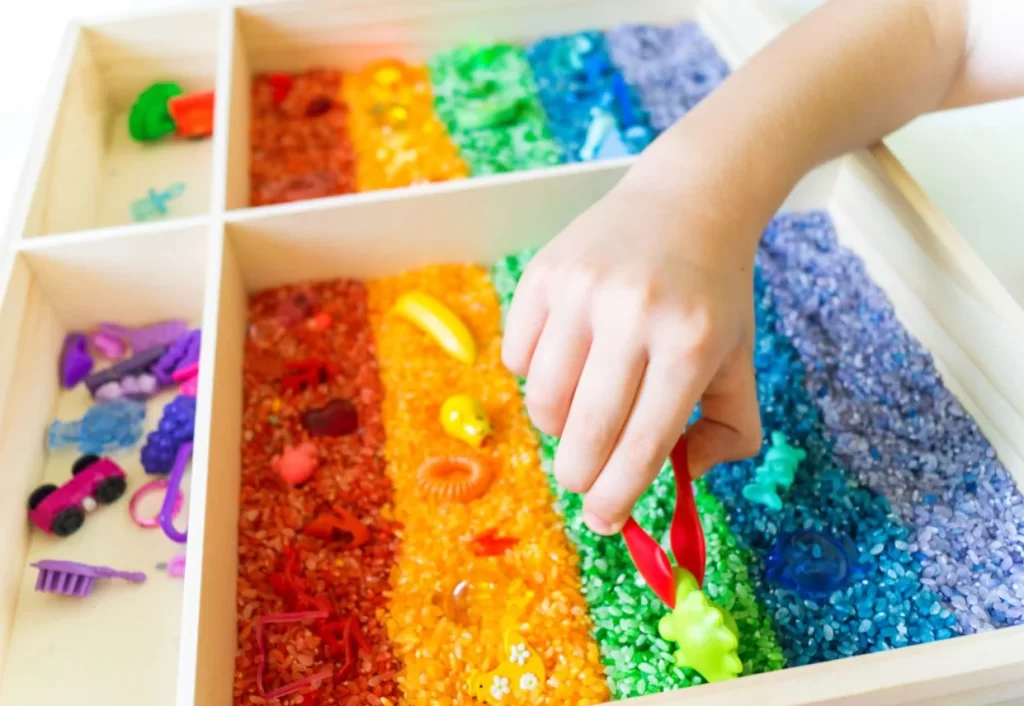
Sensory-rich tasks regulate arousal and invite language. Combine tactile fun with sensory play to support speech development in autism.
- Create bins (rice/sand/water beads); label textures: “soft,” “rough,” “squishy.”
- Hide picture tokens; say the word on discovery—easy communication exercises for autism children.
- Use verbs with actions (“scoop,” “pour,” “shake”) to expand expressive language.
Sensory play keeps motivation high—ideal speech therapy activities for autism kids during short, frequent bursts.
8) Mirror Exercises to Improve Pronunciation

Visual feedback accelerates articulation. Use mirror exercises to improve pronunciation for autism to make sound placement visible.
- Sit side-by-side; model target sounds while pointing to lips/tongue placement.
- Contrast pairs (“p” vs “b,” “t” vs “d”); watch voicing cues and airflow.
- Record short clips to replay successes—great for self-monitoring.
This routine refines accuracy and steadily improves speech in autism children across words and phrases.
9) Parent-Guided Apps and Interactive Games
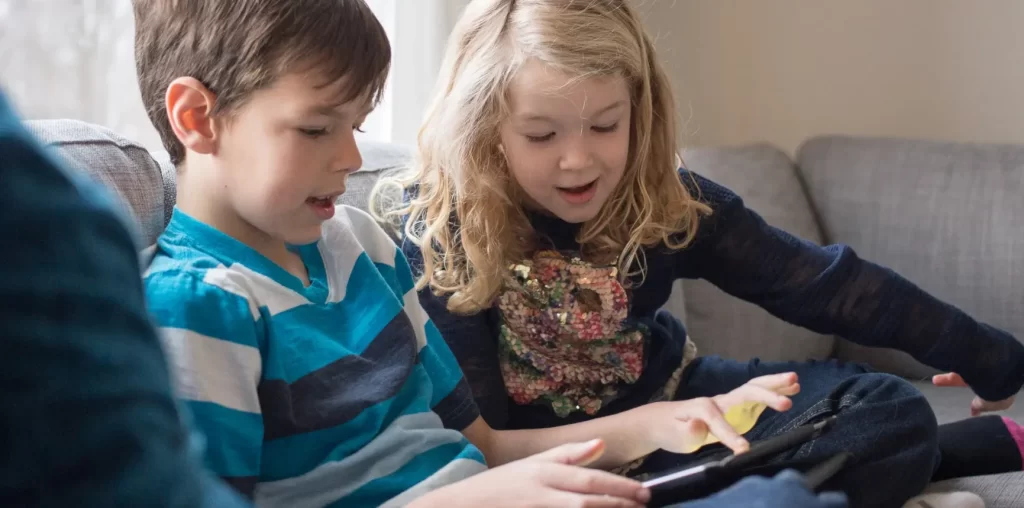
Tech can boost engagement when curated. Blend real-life practice with interactive speech games for autistic children and feedback.
- Choose best apps and games for autism speech therapy that target syllables, vocabulary, and sentence building.
- Co-play: sit with your child, narrate choices, and model answers.
- Setting short timers; end with off-screen practice to generalize.
Used intentionally, apps complement—not replace—speech therapy at home for autism.
10) Talking Through Daily Routines to Encourage Natural Speech
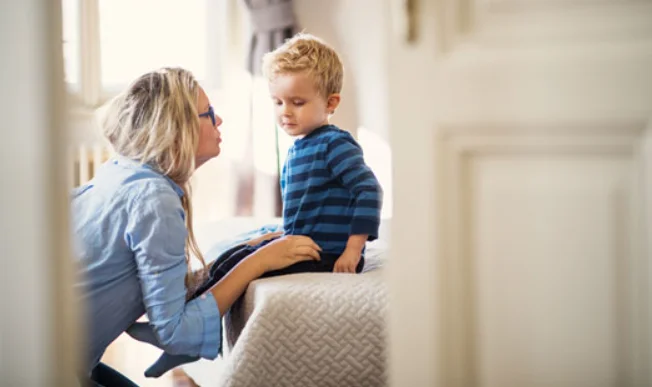
Routines are the ultimate built-in practice—perfect daily routine speech exercises for autism.
- Narrate steps (“First socks, then shoes”); ask forced-choice questions.
- Label objects and functions while cooking/bathing/dressing—smart small daily activities to improve speech in autism kids.
- Keep a visual schedule; prompt your child to describe “what is next.”
Everyday talk turns habits into speech therapy exercises for autism children without adding workload.
The Role of Consistency and Routine in Speech Development
Progress accelerates when the plan is predictable. Repetition wires patterns; consistency keeps anxiety low and attention high. Think small, daily wins over sporadic marathons: 10–15 focused minutes of speech therapy exercises for autism children attached to predictable anchors (breakfast, school drop-off, bedtime story). Rotate activities through the week—imitation on Mondays, oral motor exercises for autism speech on Tuesdays, picture stories mid-week—so goals repeat without feeling stale.
To strengthen carryover:
- Keep a simple tracker (date, activity, success notes).
- Use identical cues at home and school (same gesture/visual).
- Celebrate micro-gains (clearer sound, longer turn, new word).
Families looking for local support can combine home practice with guidance from autism speech therapy clinics around Chromepet and community programs offering speech therapy activities near Anna Nagar. If you’re building a home plan, search for home based speech therapy tips Chennai to find checklists and visuals you can adapt. When clinic goals and family routines line up, children generalize faster across settings—kitchen table, playground, and classroom—turning practice into real-life communication.
How Parents Can Support Speech Therapy at Home for Kids with Autism
Parents are the best speech partners. You model, motivate, and multiply practice opportunities—no special equipment required. Start with two or three speech therapy techniques for autism that match your child’s goals (e.g., PECS requests, mirror sounds, rhyme fill-ins). Schedule them in short, positive bursts.
Actionable ideas:
- Set a 12-minute “communication block” daily: 4 minutes imitation, 4 minutes book talk, 4 minutes role play—effective speech therapy at home for autism.
- Keep a “word wall” on the fridge to target sounds/verbs from this week.
- Pair visuals with spoken cues; prompt, then fade help quickly.
- Use first/then language and timers to reduce resistance.
- Invite siblings into interactive speech games for autistic children to build taking turns.
Geographic help matters. Families can explore speech therapy exercises for autism children in Chennai, ask schools for carryover tips, and connect with neighborhood groups that share materials. Many providers share the best speech therapy techniques for kids in Chromepet or toolkits for speech therapy activities near Anna Nagar. Finally, lean into trusted guidance and track wins—these autism speech therapy tips for parents keep momentum strong.
Speech therapy for children with autism may be done amicably such that in most cases, it is exciting and instructive to the point of serving its purpose entirely. The oral motor exercises are used to pretend play and tune in to daily routine speech activities, and each and every method develops communication in a natural and pleasant manner. At Pebbles Therapy Centre in Chennai (Anna Nagar and Chromepet), our certified therapists guide parents and children with personalized speech therapy exercises for autism children that bring long-lasting results.
FAQs
Aim for short daily sessions (10–20 minutes), tied to routines. Consistency beats length and keeps speech development exercises for autism children enjoyable.
Yes—start simple with visuals, imitation, and routine talk. For pacing and goal-setting, consult a professional and follow autism speech therapy tips for parents.
As early as concerns appear—often 18–36 months. Early speech therapy activities for autism kids maximize brain plasticity and confidence.
PECS, gesture/sign basics, and AAC tools are the best speech exercises for non-verbal autistic children; pair with motivating choices to spark requesting.
They can be—when adults co-play and link screens to real-world practice using best apps and games for autism speech therapy and interactive speech games for autistic children.