

Social Skills Training for Kids with Autism: Effective Strategies That Work
One of the greatest challenges for children with autism is learning to engage with other people. Social skills training for kids with autism is delivered in a structured manner so they can learn the rules of communication, how to have friends and what it means to be comfortable while engaging. Therapy can improve peer relationships as well as independence, with the right interventions.
Early emphasis on social development from parents and teachers leads to enduring positive changes in behavior, confidence and overall standard of living. In this blog, lets see how these are not necessarily “academic” skills, but are skills that make life easier–helping people to talk, be part of groups, and control their emotions.
What is Social Skills Training for Kids with Autism?
Social Skills Training for Autism is an evidence-based practice that teaches children with practical skills necessary for successful social interactions. Unlike mainstream programmes, it takes account of the particular learning style of children with autism spectrum disorder (ASD).
Features also include:
- Definition: A Medieval program that teaches children to identify social cues, respond to them, and form social connections.
- Key Point: Many kids with autism struggle to read facial expressions, make eye contact, or keep up with a group conversation — and they may not even know that others expect them to do those things.
- Therapy Factor: Through skill training for autism child sessions, children learn step-by-step how to cope with real world situations.
How it differs from general social skills programs:
- Traditional training assumes children naturally grasp subtle social rules. Kids with autism often need explicit instruction.
- Social skills training therapy uses modeling, role-play, and reinforcement tailored to their needs.
And Pediatric therapy centres play an important role. These centres offer multidisciplinary services—incorporating speech therapy, occupational therapy and behaviour strategies. Many centers also run social skills programs for children with autism and some even offer classroom social skills training for autism, so the learning continues beyond the therapy rooms.
Parents often wonder, what is social skills training for autism? In a nutshell, it is the catalyst that enables children with ASD move from sequestered interactions to robust, everyday engagement. The right one enables them to do better at home, in school and out in the world.
Why Social Skills are Challenging for Kids with Autism

Knowing how does autism affect social skills is necessary for parents and teachers. Children with ASD struggle with more than just shyness or hesitation.
Common challenges include:
- Eye Contact & Nonverbal Signals: So many kids have a hard time making eye contact, reading body language, or understanding hand signals.
- Turn-Taking in Conversation: Waiting, listening and responding in the “right” way can seem foreign.
- Literal Thinking: Sarcasm, figurative speech and humor are tough.
Sensory sensitivities contribute to these challenges and beyond that, as well as:
- Noise, bright lights, or groups can upset, and make gathering participation trickier.
- Increased stress can often result in social withdrawal, reducing exposure, too.
From a clinical standpoint, how does autism affect social interactions lies in differences in brain processing. Neurotypical kids pick up social rules through osmosis; autistic kids thrive off structure.
Therapy makes a difference:
- Speech therapy enables a child to develop, both expressive and receptive language.
- Occupational therapy helps with sensory sensitivities and emotional regulation, too.
- Behavioral specialists create interventions that are specifically designed to help a child in the social skills area, they work just as they do in other areas of deficit by breaking down complex interactions into manageable tasks.
Programs such as social skills training for students with autism or social skills training for preschoolers with autism are designed with specific age-appropriate challenges in mind, to make sure progress begins early.
Recognizing these challenges is not about concerns of deficits, it’s about recognizing where autism child training can create opportunities for growth. Children can bring tailored children can bring tailored support help children learn to read signals, play confidently make friends learn to read cues make friends.
Benefits of Social Skills Training for Kids with Autism
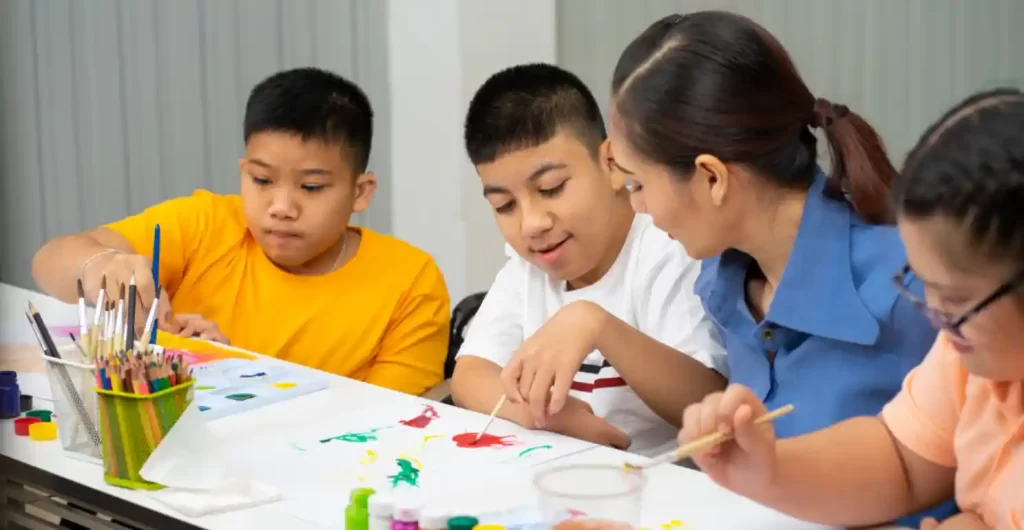
The benefits of teaching social skills training for autism kids go far beyond just teaching them to say “please” or “thank you.” They’re making a profound impact on lives because they give young people resources to deal with challenging social situations.
Benefits include:
- Better communication: Kids develop verbal and nonverbal communication skill to make it easier to communicate needs and feelings.
- Better peer relationships: Some programs including social skills training for autistic children help pave the way for friendships, group play and cooperation.
- Confidence and independence: Children are better able to participate in school, community and family life when they have mastered the high functioning autism social skills.
- Real-world application: They are practiced in natural environments like — classrooms, playgrounds, family parties.
Children who engage in some types of social skills training for autism often display less anxiety in group situations, and stronger self-advocacy skills. Learning to raise your hand in class for example, or ask to join a game might seem minor, but those are keys to inclusion and confidence.
Furthermore, social skills training therapy, or similar programs, may be provided in conjunction with other services, enabling progress to be observed and adjusted. When children practice consistently, they form habits that serve them into their adult lives enabling sustained independence.
Thus, programs designed to teach children how to interact like social skills training for autistic child programs or are autistic child socially skilled program gives a child the right tools in order to find ways to meaningfully relate with the world around them.
Effective Strategies That Work in Social Skills Training
Social skills training is more successful when adapted to the child’s age, level of development, and individual difficulties. Here are some strategies that have been shown to be effective in both clinical and home environments.
1. Role-Playing & Modeling
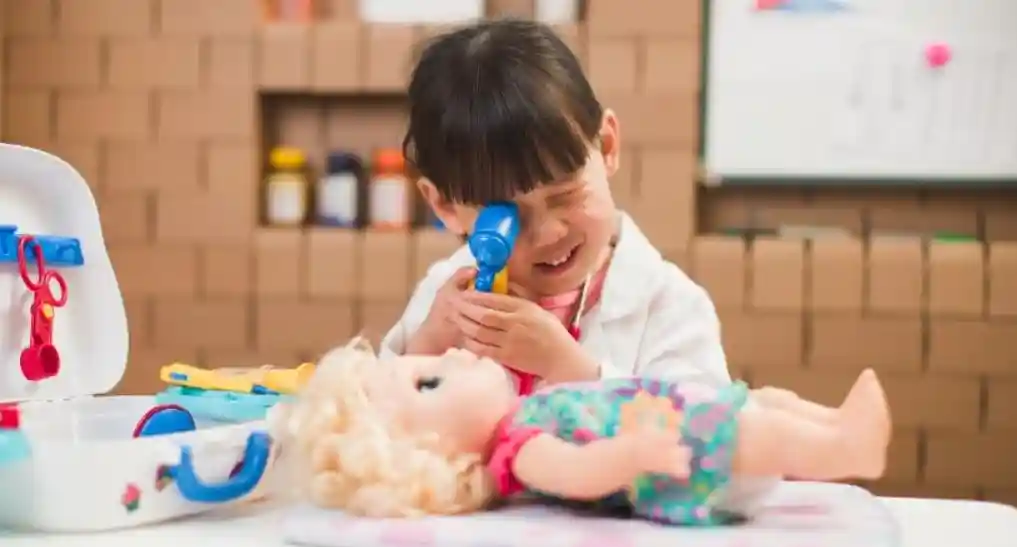
Role playing enables children to rehearse aspects of real life in a secure, structured setting. For instance, a therapist may demonstrate how to say hello to a friend or share while playing a game. The child then does the same scene, while getting feedback as he goes.
This technique is especially effective in teaching social skills to high functioning autistic children who may understand the concepts, but have difficulty knowing when to use them spontaneously. They act out scenarios, and learn not just the words – but the body language and the tone. Parents can role-play at home to practice for events such as birthday parties or school presentations to help their children feel more prepared.
2. Peer-Mediated Interventions
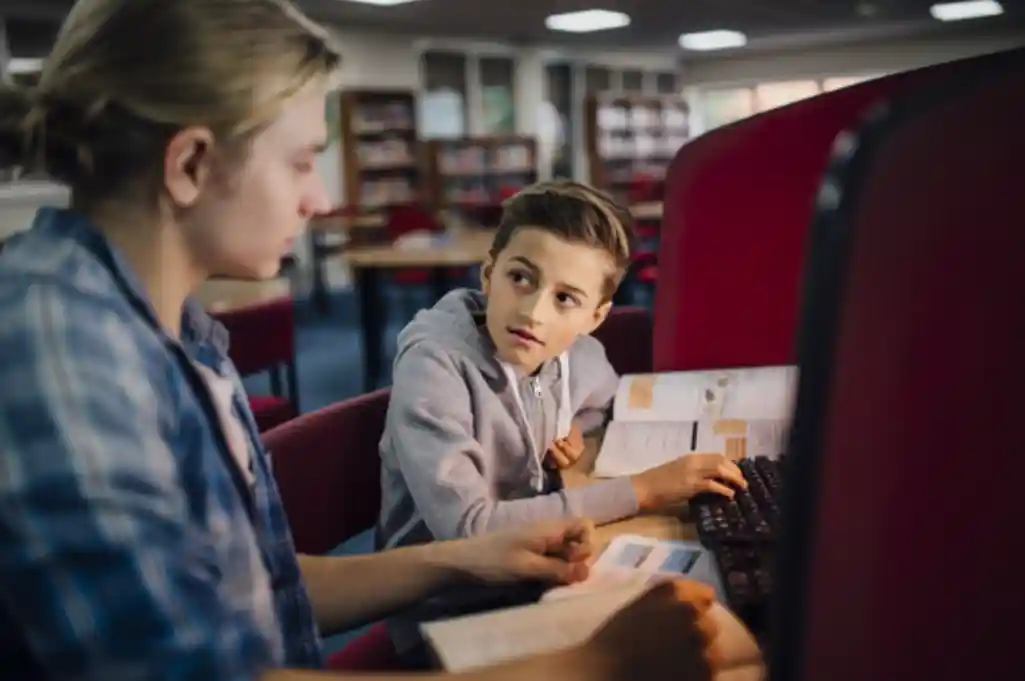
One of the most effective strategies in social skills training for students with autism involves peer support. Children are able to learn “what to do” socially by watching their peers in the role of classmate or friend. Examples of this are a group activities in play, paired reading, or group projects in the classroom. Through socialization with peers, children learn to take turns, share, and even know how to start a conversation.
This approach is good for the neurotypical classmates as well as it promotes empathy and understanding. Schools that implement a social skills training program in the classroom for children with autism often see an increase in social cohesion in the school as a whole.
Peer-mediated interventions are effective because they are embedded in natural contexts, which allow easier generalization of skills beyond the therapy setting.
3. Visual Supports & Social Stories
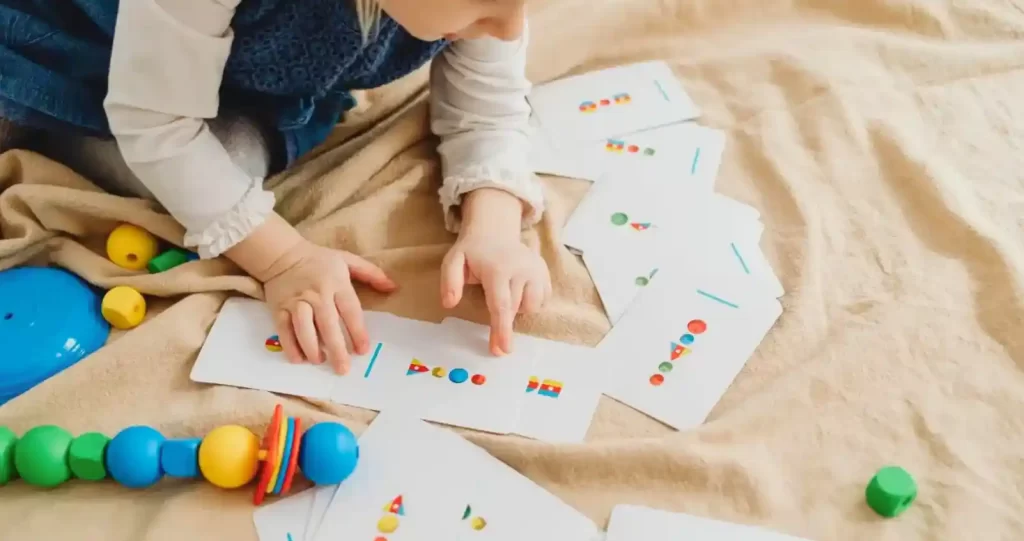
Visual tools are vital for children who struggle with abstract communication. Visual supports and social stories provide step-by-step guidance for social situations.
Examples include:
- Storyboards illustrating how to join a group game.
- Cue cards showing emotions and responses.
- Visual charts to explain routines.
Such aids are particularly beneficial in social skills training for preschoolers with autism as they are particularly well-suited to learning that is concrete and repetitive. Parents and therapists can reinforce daily routines — like greeting teachers or asking for help — with apps or homemade cards.
Visual aids reduce stress and enhance understanding, leading to more fluid and predictable interaction.
4. Structured Group Programs
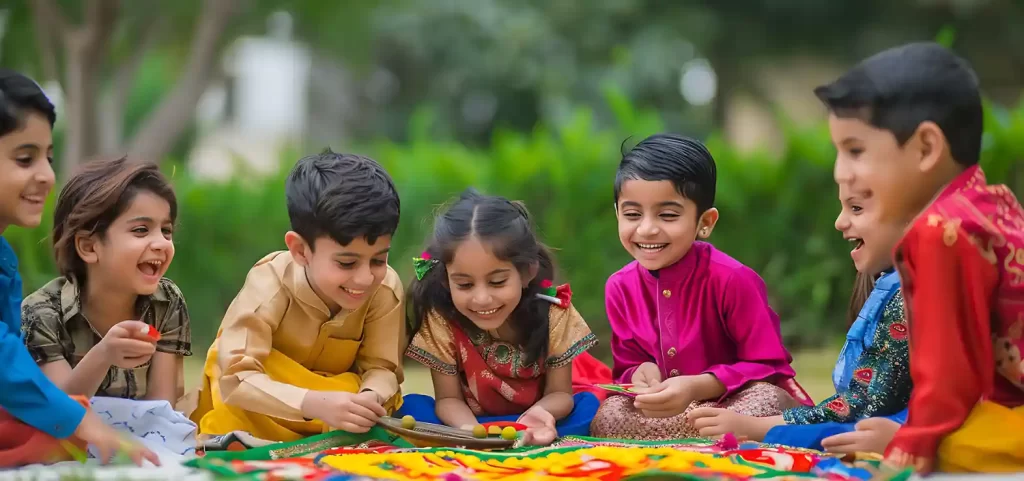
Structured group programs create safe spaces where children practice social behaviors in small groups. Examples include circle time, social clubs, and therapy-based group sessions.
These types of programs are typical in social skills programs for children with autism as it allows therapist input as well as peer rehearsal. Activities will sometimes consist of role playing games, group cooperative tasks, and problem solving as a group.
In younger children, playgroups are kids are focusing on sharing and parallel play and older students talk or work together in teams.
Being part of a group also helps children feel included as they develop towards being more comfortable in larger gathering such as a school or community event.
5. Technology-Based Tools
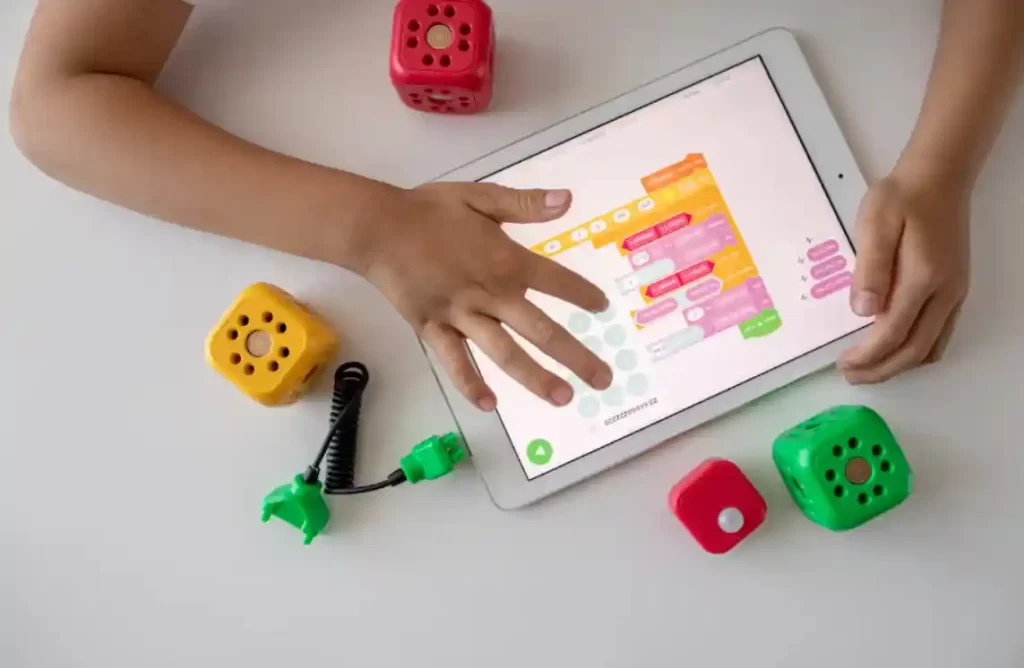
Technology enables new modes of delivery and support for skill training in autism child programs. With interactive games, apps and even simulations in virtual reality, there are plenty of fun ways to practice repeatedly.
Such as autism games for social skills that teach emotions, conversations or cooperation. Many therapy centers now also incorporate social skills board games for autism to make learning fun and interactive.
Technology means children can practice the skills on their own or with parental supervision. Perhaps most importantly, these instruments provide real-time feedback, enabling children to correct errors and become more confident.
Although not a substitute for therapy, digital tools can be effective adjuncts to therapy, making learning fun and accessible.
These approaches, when combined, form the essence of beneficial social skills training therapy. Through modeling, peer interaction, visual supports, group programs, technology and more, children are learning practical and repeatable skills. The key is consistency — when parents and therapy are on the same page, children move forward consistently, that progress carries over into the real world.
Role of Therapists & Parents in Social Skills Development
The success of social skills training for children with autism depends on collaboration between therapists and parents.
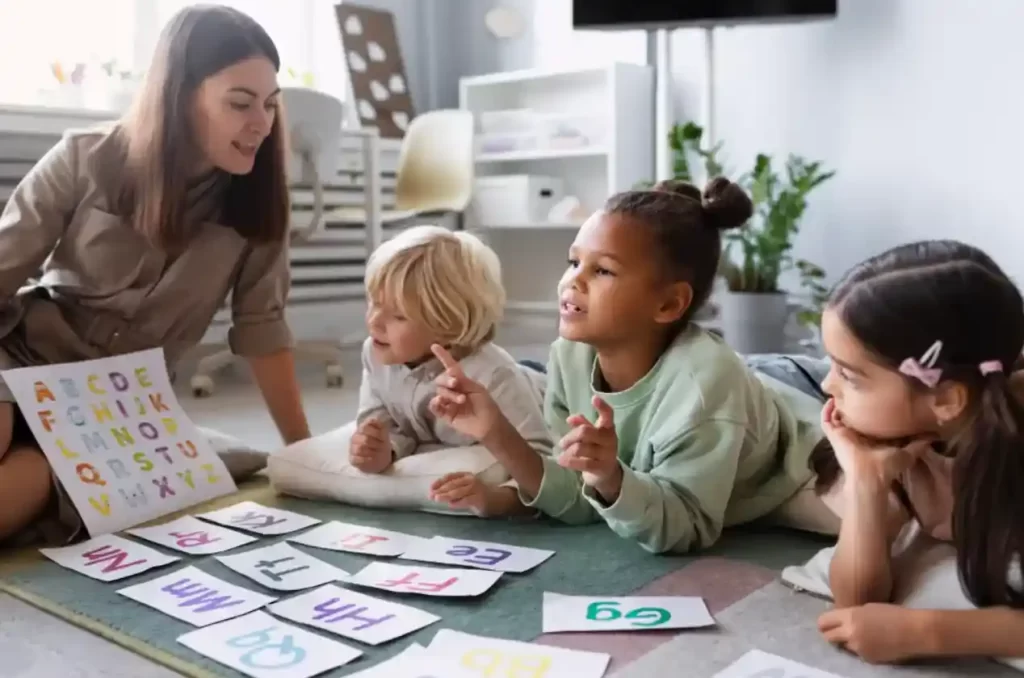
Therapists’ role:
- Speech–language pathologists enhance language, articulation, and conversation abilities.
- Occupational therapists assist in emotional regulation and sensory management, as well as communication and social interaction.
- Behavioral specialists design structured, individualized social programs.
Parents’ role:
- Reinforcing therapy lessons during daily routines.
- Encouraging playdates, group games, and family interactions.
- Using praise and gentle correction consistently.
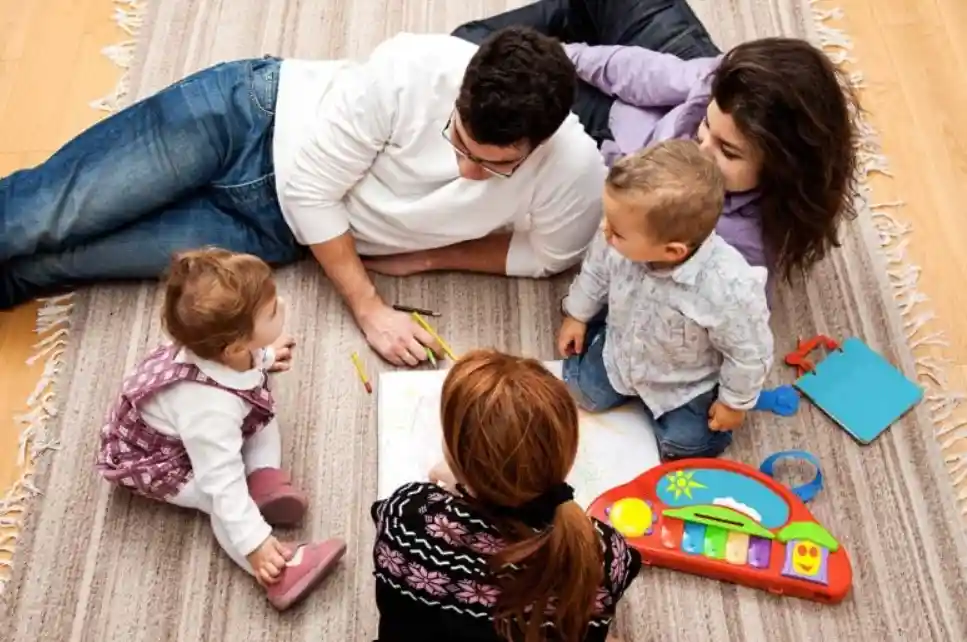
Programs often include parent training to ensure strategies are practiced at home. This consistency across environments accelerates skill mastery and builds confidence.
Parents who bring the techniques learned in therapy home with them report positive changes ranging from calmer mealtimes to better school attendance. In the end, kids do best when therapists and parents are teamed up on the same side.
Social Skills Training Activities for Kids with Autism
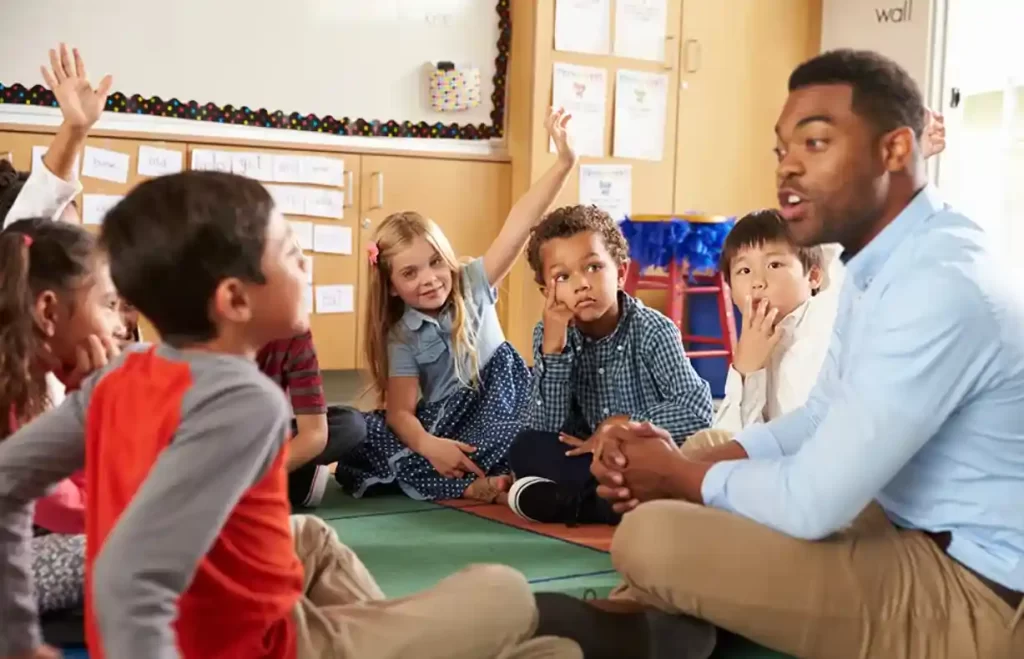
Activities bring social lessons to life, making training fun and practical. Common examples of social scripts, practiced in social skills groups for children with autism, are:
- Conversation starters: Learning how to greet people and make small talk.
- Play based activities: Role playing shopping, going to doctor, etc. to go through common day-to-day situations.
- Group games: Non-competitive board games or group sport like activities that teach you patience and waiting for your turn.
- Outdoor play: On the slider, team sports with the team, play to work well as a group.
Therapists tend to recommend social skills games and activities for kids with autism, because they offer a good balance between practice and play. Resources, such as board games that reinforce social skills on the spectrum or electronically based games, help make learning fun.
The local autism training centres might adjust the activities to their local cultural context, schools and age groups. For the preschool children, emphasis is on sharing and parallel play while the older children work and talk in teams.
By using this fun curriculum, children develop skills incrementally and naturally as they enter real social situations.
These activities form part of a customized sensory diet, tailored to each child’s needs. They’re also excellent for reducing ADHD sound overstimulation and helping kids remain engaged in structured environments. When used consistently, sensory activities can support paying attention, emotional regulation, and task persistence — all challenges common in managing ADHD in children.
Parents and teachers should observe reactions closely. Some children may respond better to visual stimuli, while others find comfort in deep pressure or repetitive motion. Modify activities as needed to fit your child’s sensory profile and avoid unnecessary distress.
How to Choose the Right Social Skills Training Program
There are so many different social skills training program for kids with autism that choosing can feel daunting. The best programs have a mix of structure and fluidity— they provide you with the tools based in research but they are adapted to fit the unique presentation of your child. Seek out approaches that promote real life social interaction, such as role-playing in group sessions or learning through play.
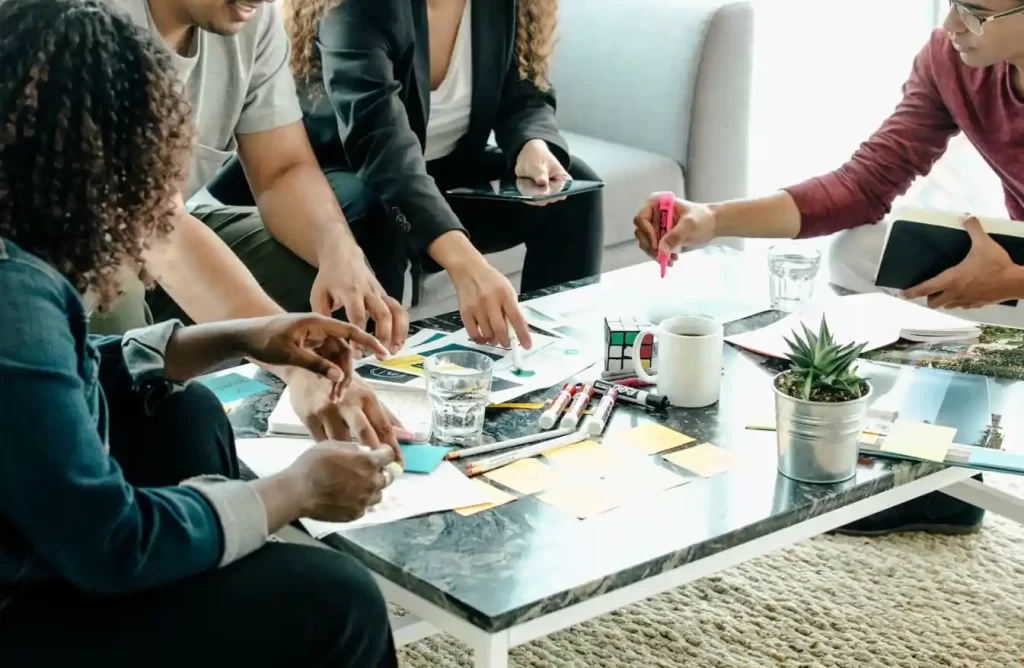
It’s also key to consider: “How do different social skills training interventions contribute across the lifespan of the individual with autism?” A good program doesn’t just teach skills in isolation — it helps children use them in classrooms, playgrounds, and homes. Parents should evaluate if the program has parent participation component as it enhances the progress significantly.
Accessibility and environment also play a role. Programs in warm and welcoming environment can make sessions more enjoyable and less scary. Many renowned paediatric therapy centres in Chennai — such as Pebbles Therapy Centre in Anna Nagar and Chrompet – have designed such programmes where accredited therapists devise individualised plans for each child. These programmes also tend to include one-on-one learning as well as peer group sessions, so children receive the right balance of individual instruction and social practice.
Social Skills Training for Children with Autism provides kids with the skills to talk, relate and grow. Regular early, steady and evidence-based program makes us self-confident and independent. Home and school parents and therapists) are essential in reinforcing the skills. Get professional help if you need it to help your child form real social ties.
For educators, simple strategies for students with ADHD include allowing noise-canceling headphones, extended time for tasks, and access to sensory tools. Collaborating with the parents gets everyone aligned and provides a unified parent plan.
Patience therapy results in decreasing ADHD overstimulation over time with these supports, and cultivates trust and emotional exposure. This leads to increased learning, better child behavior and increased harmony between children and care givers.
Though ADHD sensory overload is difficult, children can learn to flourish with some education and an understanding of the right tools. Crucial role for the parents (where you are) and educators in recognizing triggers, strategies to mitigate distress; promoting adaptative functioning. From occupational therapy [OT] to every thing ons daily habbits each step counts. We help children build the resilience and independence by supporting their sensory needs as well as their behaviour. Ultimately, managing ADHD in children is not about being perfect but progress and connection.
FAQs
Early intervention is ideal. Social skills training for preschoolers with autism offers the best long-term benefits.
Yes. With visual supports, AAC devices, and consistent modeling, progress is possible.
Timelines vary. Some children progress in weeks, while others need months of structured practice.
Many schools now offer classroom social skills training for autism, supported by special educators.
Needs differ. While some require ongoing reinforcement, many achieve independence through therapy.