
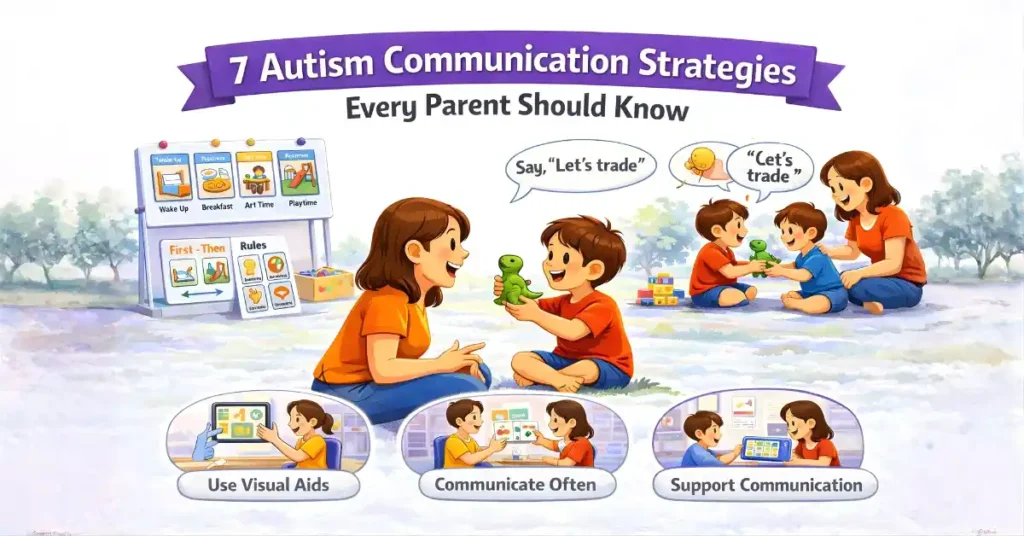
7 Autism Communication Strategies Every Parent Should Know
Communication problems are one of the things parents notice in children with Autism. When parents know how Autism affects communication they can be patient and clear when they talk to their children. This blog talks about life Autism Communication Strategies that actually work. It shows parents how to talk to their children in a way that makes sense for life.
The goal is to reduce getting frustrated and to help parents and children feel closer to each other. These strategies can help parents communicate with their children with Autism no matter if the child talks a lot, a little or not at all. The strategies help parents build a connection with their children with Autism one step at a time.
What Is Communication in Autism?
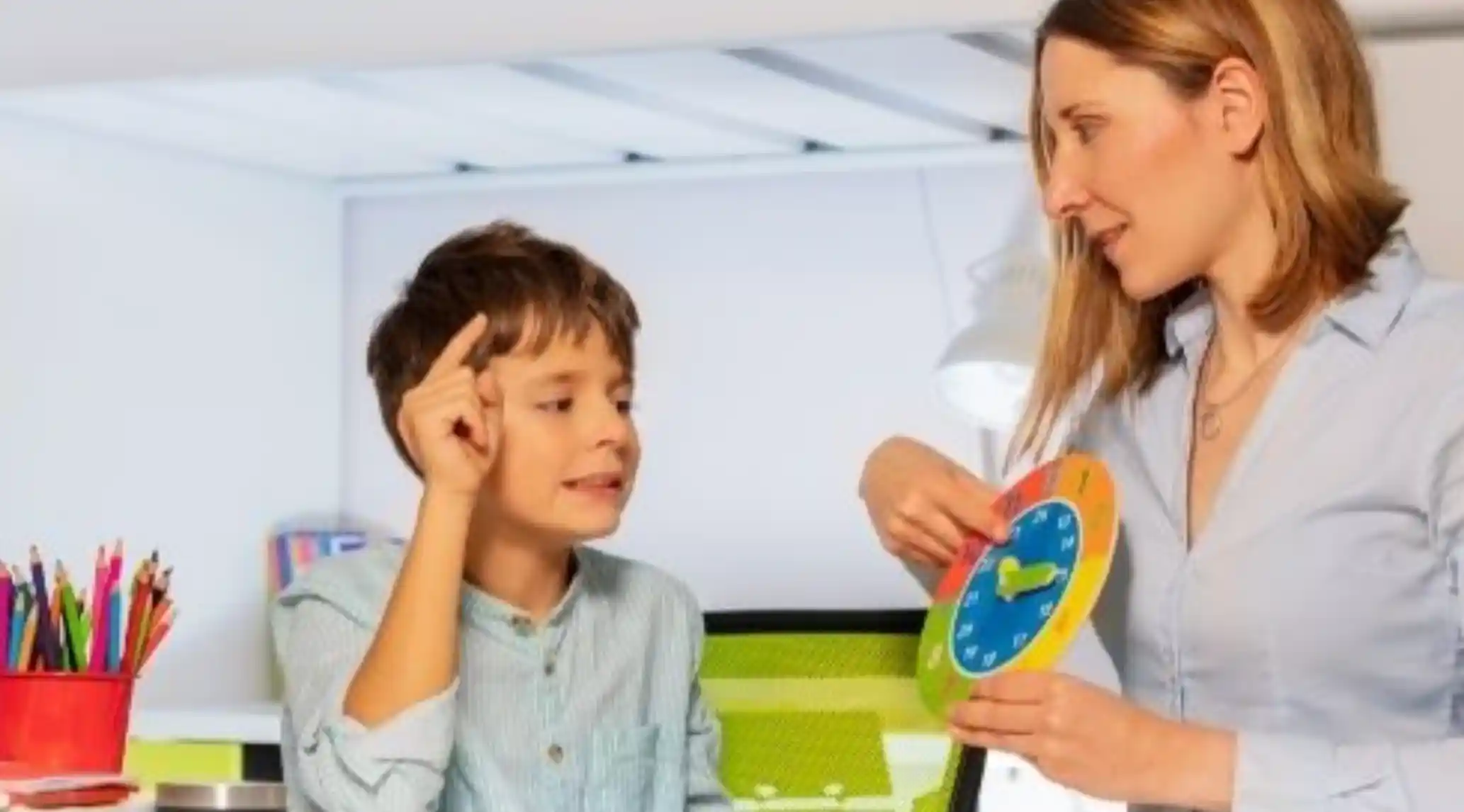
To figure out how to help our kids, parents need to know what is communication autism. Communication autism is about how a child with autism tells us what they need, how they feel, what they think and how they want to be social. They can do this by talking, not talking or doing a bit of both.
Kids with autism might talk to us in their way using things like gestures, making sounds, showing us pictures, behaving in certain ways or using special tools to help them. These autism methods of communication are different from how other kids do it. That does not mean they are not just as good. The problem comes when other people do not understand or respond to these ways of communicating. When parents know autism communication symptoms, they can see how their child is already trying to talk to them even if they are not using words or any words at all.
Why Communication Feels Difficult for Autistic Children
Autism changes the way the brain works with language and social things. It also affects how people with autism feel about the things they see and hear. They have trouble understanding cues. This makes it hard for them to talk to others. They find it difficult to understand expressions.
They also struggle to understand the way people sound when they talk. It is tough for people with autism to connect with others because of autism social communication.
Some kids with autism have a time talking and saying what they want to say. Other kids with autism have a time understanding what other people are saying to them. Parents often want to know how to communicate with autism person when they do not answer or say something that does not make sense. The thing is, people with autism are not being slow or lazy, their brain just works differently. When parents understand this they can stop trying to fix their autistic child and start connecting with them.
Top 7 Autism Communication Strategies Parents Should Know
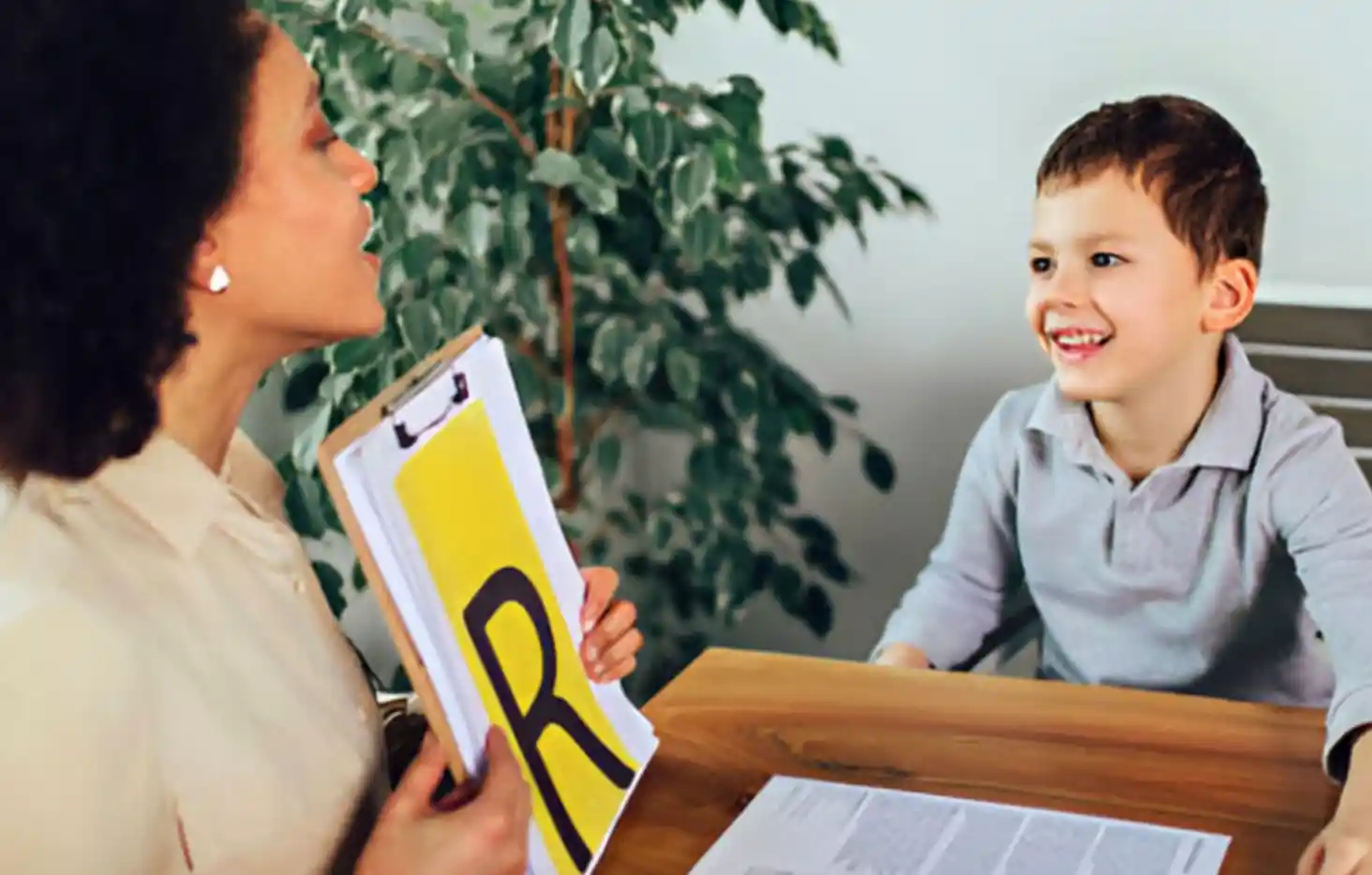
Following a child’s lead is one of the most effective Autism Communication Strategies for building trust. Instead of directing interaction, parents observe what interests the child and respond to it.
When a child points, looks, moves, or vocalizes, those actions are autism communication examples. Responding to these signals shows the child that communication has meaning. This approach is one of the most practical ways to communicate with autism because it reduces pressure and increases motivation.
Over time, this becomes a natural autism communication strategy that strengthens engagement and emotional safety.
Strategy 1: Follow the Child’s Lead in Communication
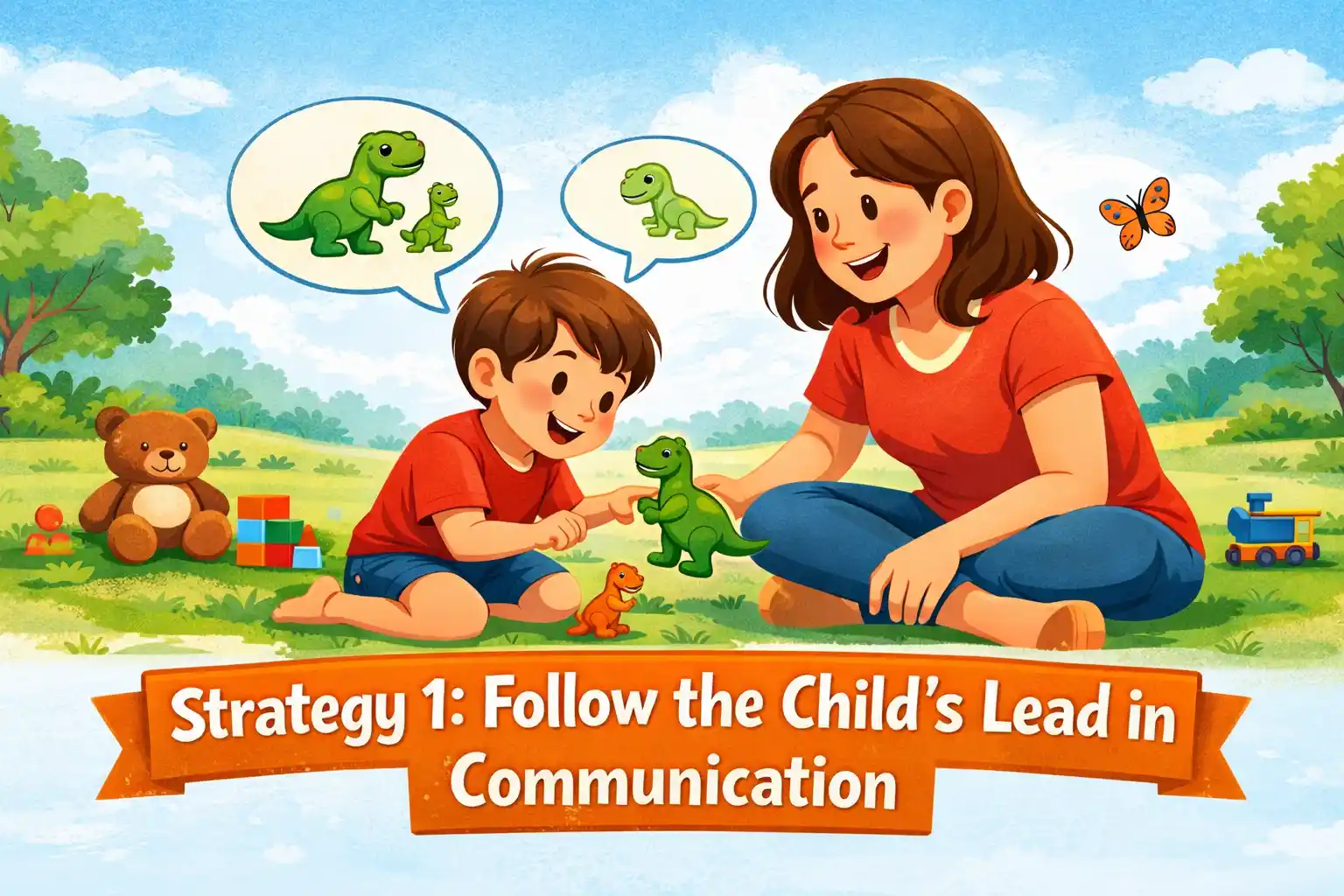
Following a child’s lead is one of the most effective Autism Communication Strategies for building trust. Instead of directing interaction, parents observe what interests the child and respond to it.
When a child points, looks, moves, or vocalizes, those actions are autism communication examples. Responding to these signals shows the child that communication has meaning. This approach is one of the most practical ways to communicate with autism because it reduces pressure and increases motivation.
Over time, this becomes a natural autism communication strategy that strengthens engagement and emotional safety.
Strategy 2: Use Visual Supports and Clear Structure
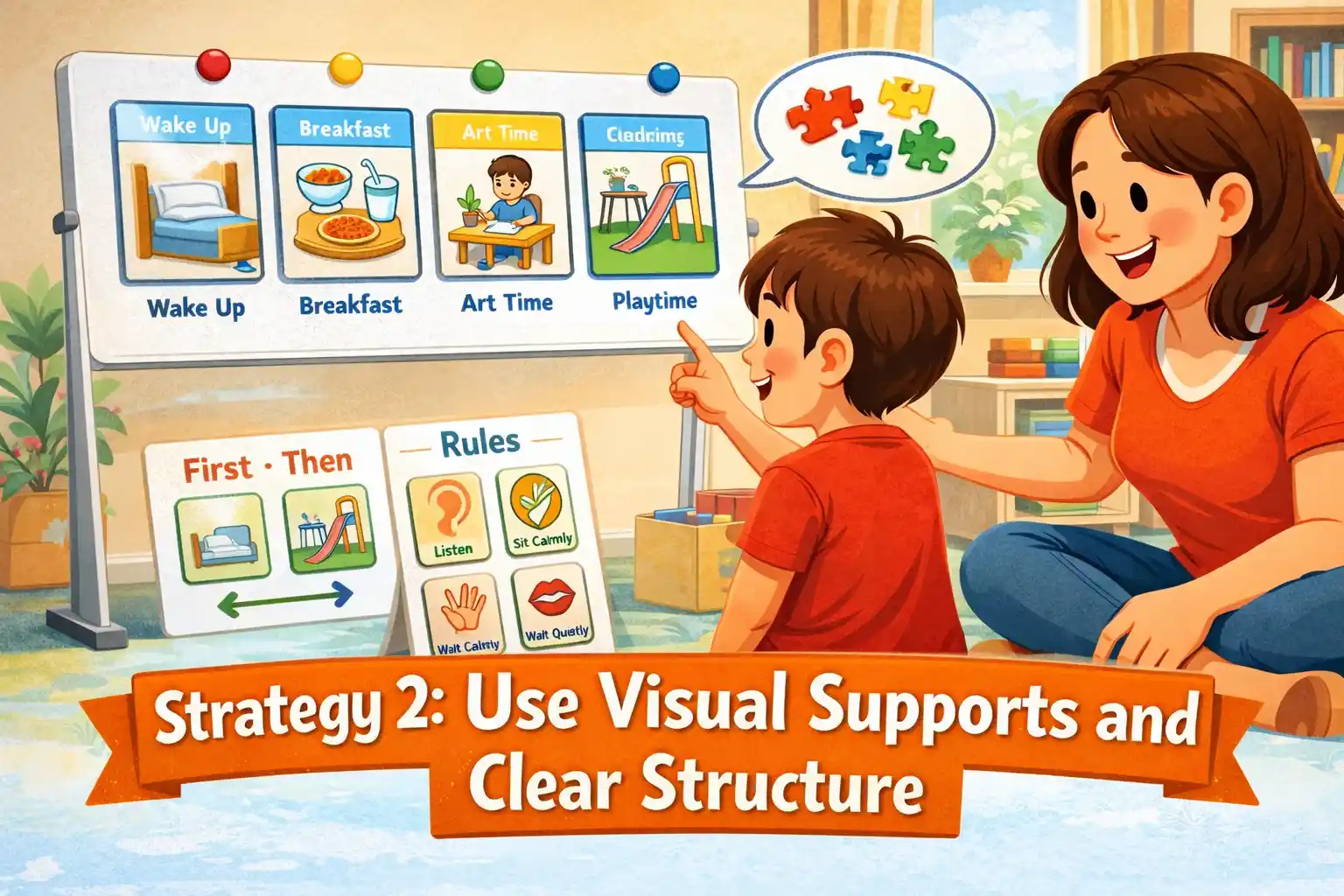
Many autistic children process visual information better than spoken language. Visual schedules, picture cards, and symbols are powerful autism communication activities that support understanding.
Visual tools help children anticipate routines and reduce anxiety. They are commonly used in therapy and autism communication strategies in the classroom, but they are equally effective at home.
Using visuals is one of the most reliable communication strategies for children with autism, especially when verbal language is limited or inconsistent.
Strategy 3: Support Nonverbal Communication First
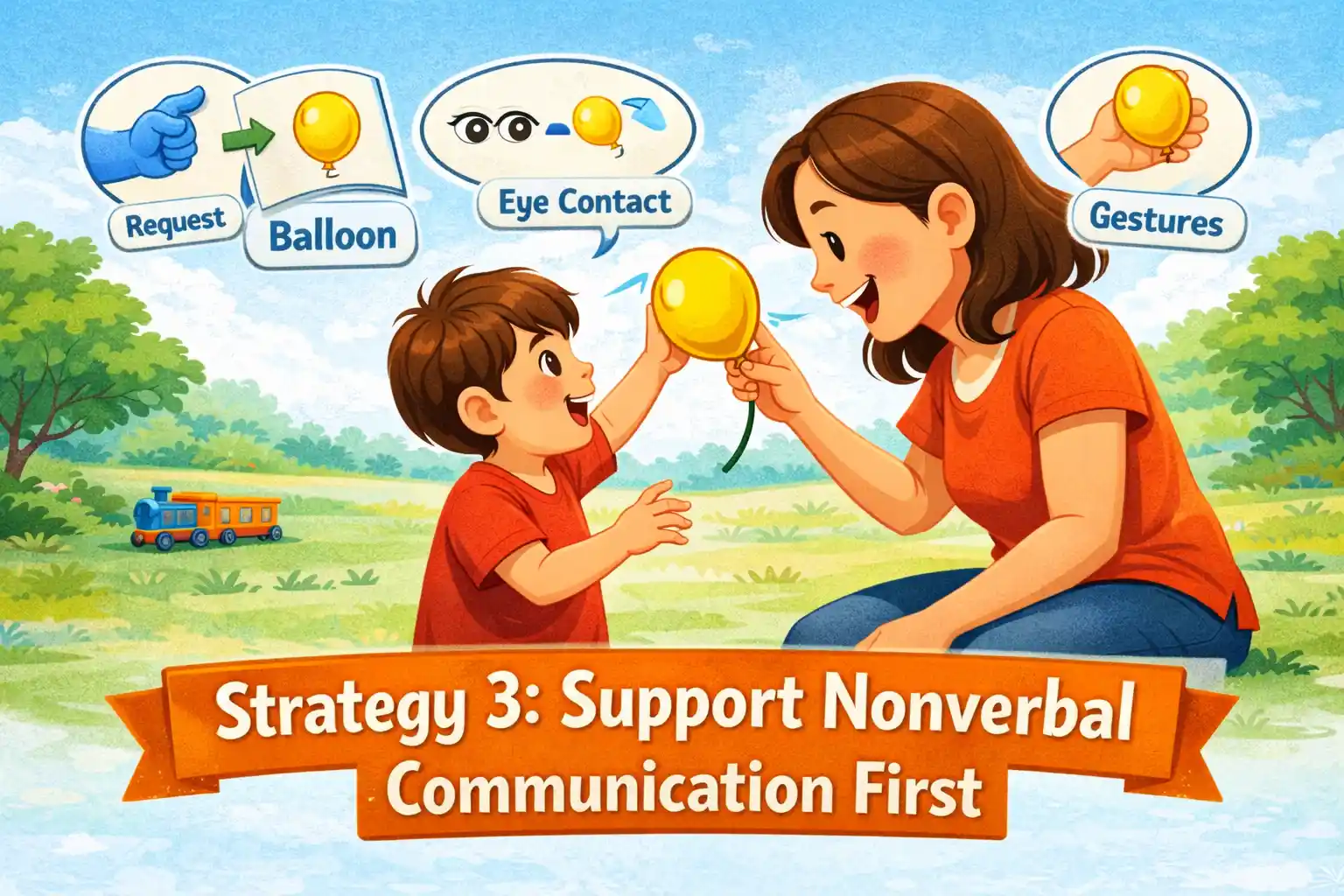
Not all autistic children use spoken language. Understanding what is non verbal communication in autism is essential for parents. Nonverbal communication includes gestures, facial expressions, body movement, eye gaze, and alternative communication tools.
Many parents ask non verbal autism means or search for non verbal autistic meaning when their child does not speak. Nonverbal autism does not mean a child cannot communicate. It means they communicate differently.
Learning non verbal communication strategies for autism helps parents respond to these signals respectfully and effectively.
Strategy 4: Use Functional and Meaningful Language Models
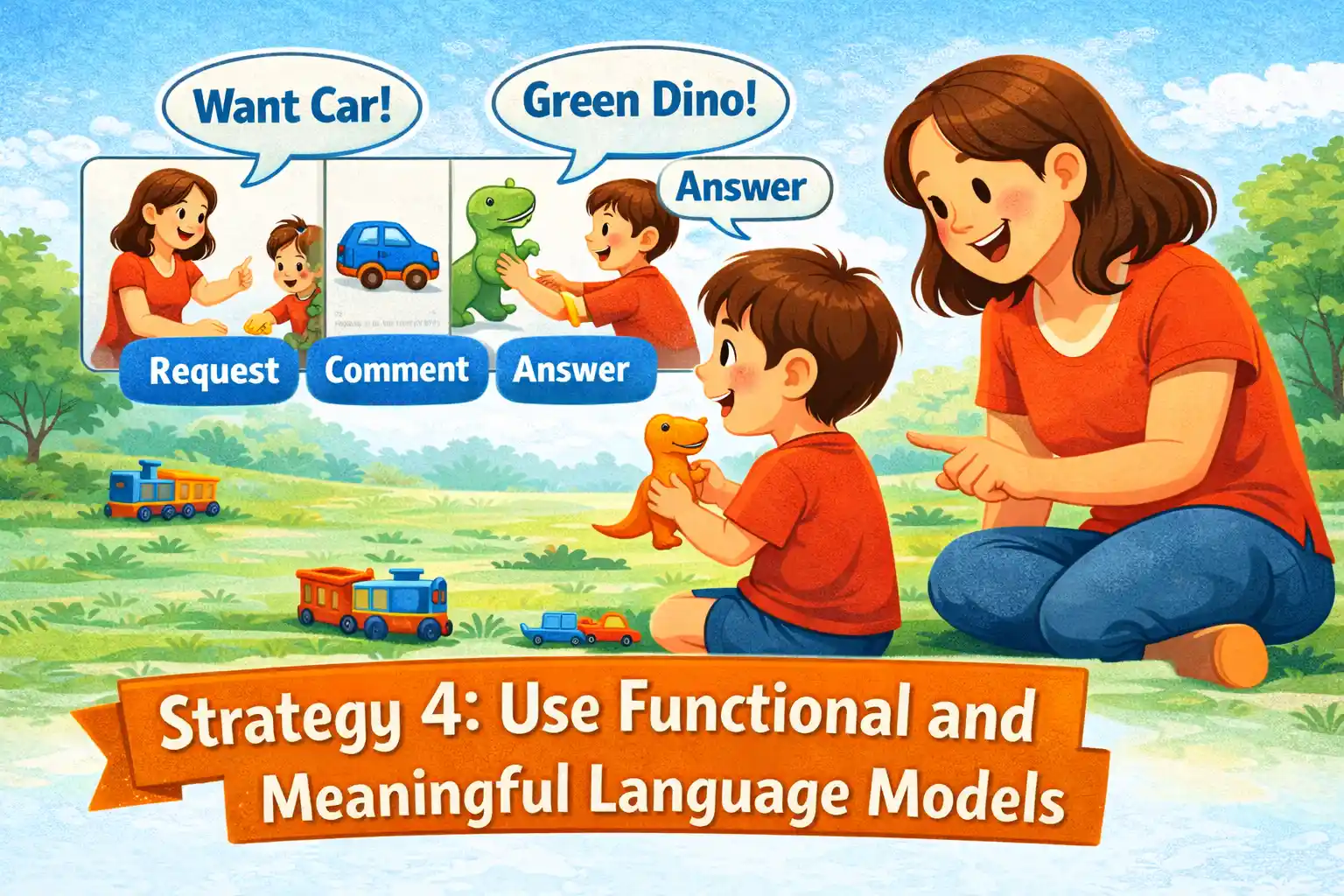
Children learn communication best when language is meaningful and relevant. Instead of asking many questions, parents should model short, functional phrases during daily activities.
For example, saying “open door,” “want water,” or “all done” while performing the action provides clear language mapping. These are practical communication skills activities for autistic child that occur naturally throughout the day.
This approach supports both non verbal and verbal autism, helping children associate words with actions and outcomes.
Strategy 5: Encourage Social Interaction Through Guided Practice
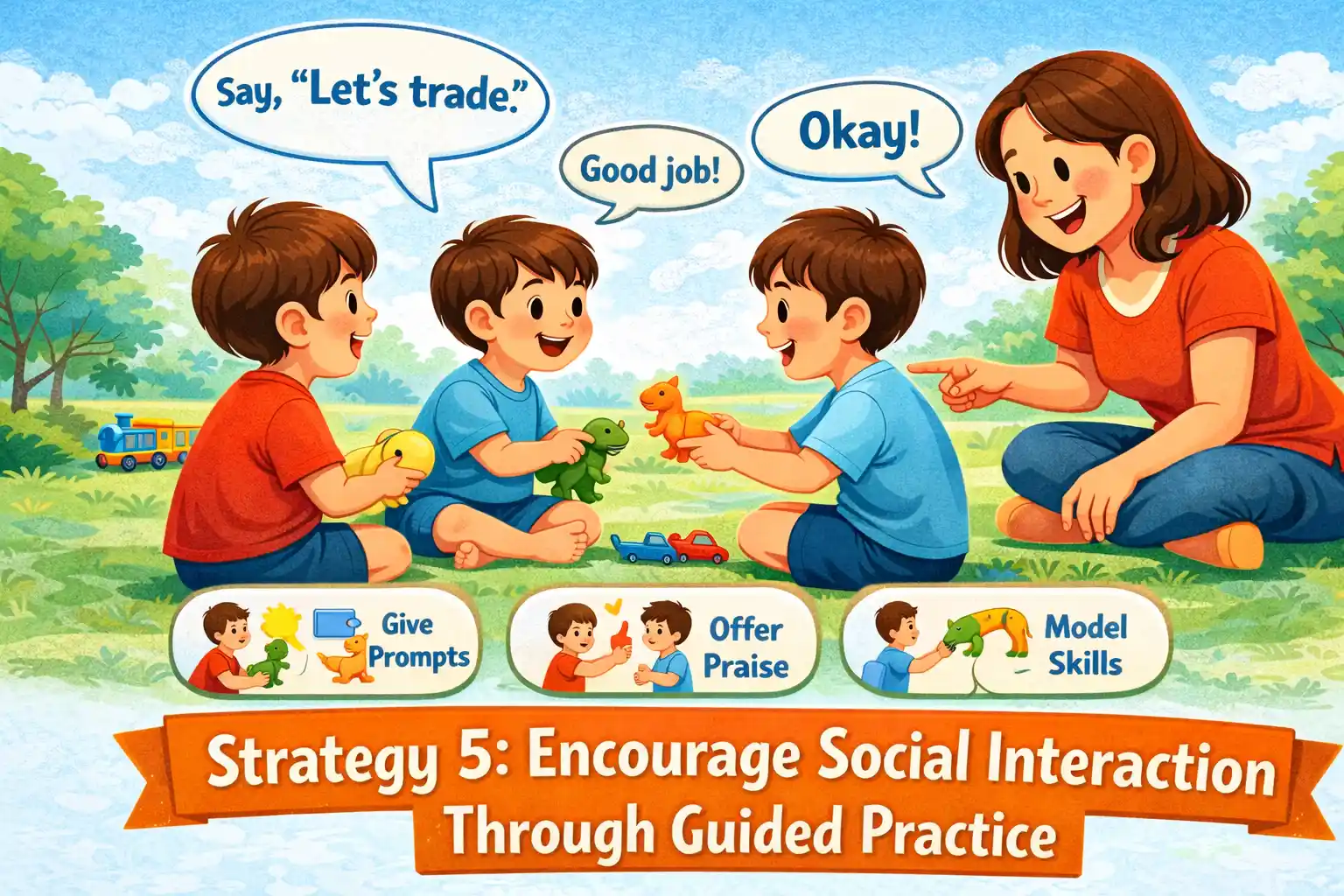
Social communication is really important for understanding people. A lot of parents want to know what is social communication autism is because their child can talk. They have a hard time talking back and forth with others. Social communication is about sharing attention with someone and understanding how they feel taking turns when talking and answering people in a way that makes sense.
You can help your child with autism get better at communication by using some simple social communication strategies for students with autism at home. Playing games where you take turns telling stories together and practicing conversations can really help. These social strategies for autism teach children how to answer questions, wait for their turn and say how they feel without getting upset.
You can also use the things you do every day to help your child practice communication. Talking to your child during meals, sharing toys during playtime and telling stories, as a family can make their social and communication skills better in a way that feels natural and not too hard. Social and communication skills in autism is something that you can work on with your child in a lot of ways.
Strategy 6: Support Nonverbal and Minimally Verbal Children With Structured Methods
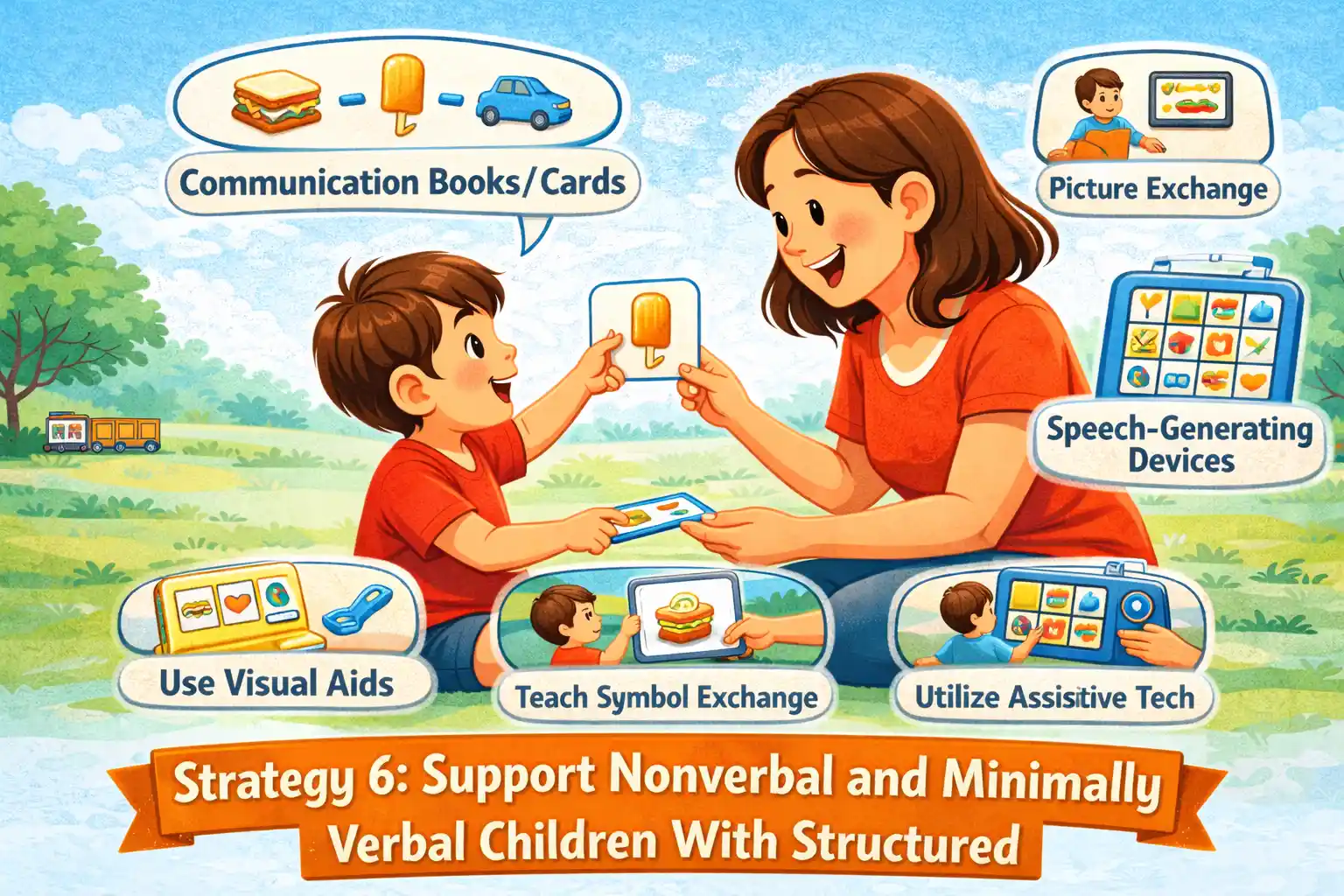
Many families ask, how do you communicate with nonverbal autism? The answer begins with acceptance and structured support. When understanding non verbal autism means, parents must remember that communication may occur through gestures, pictures, devices, or behaviors.
Using communication strategies for nonverbal autism includes picture exchange systems, sign language basics, and communication boards. These are practical strategies for nonverbal autism that give children a voice without forcing speech.
Parents often search how to communicate with a nonverbal autistic child during moments of frustration. The key is slowing down, offering visual choices, and allowing extra processing time. These approaches form the foundation of non verbal communication strategies, helping children express needs clearly and confidently.
Strategy 7: Combine Therapy Support With Daily Practice
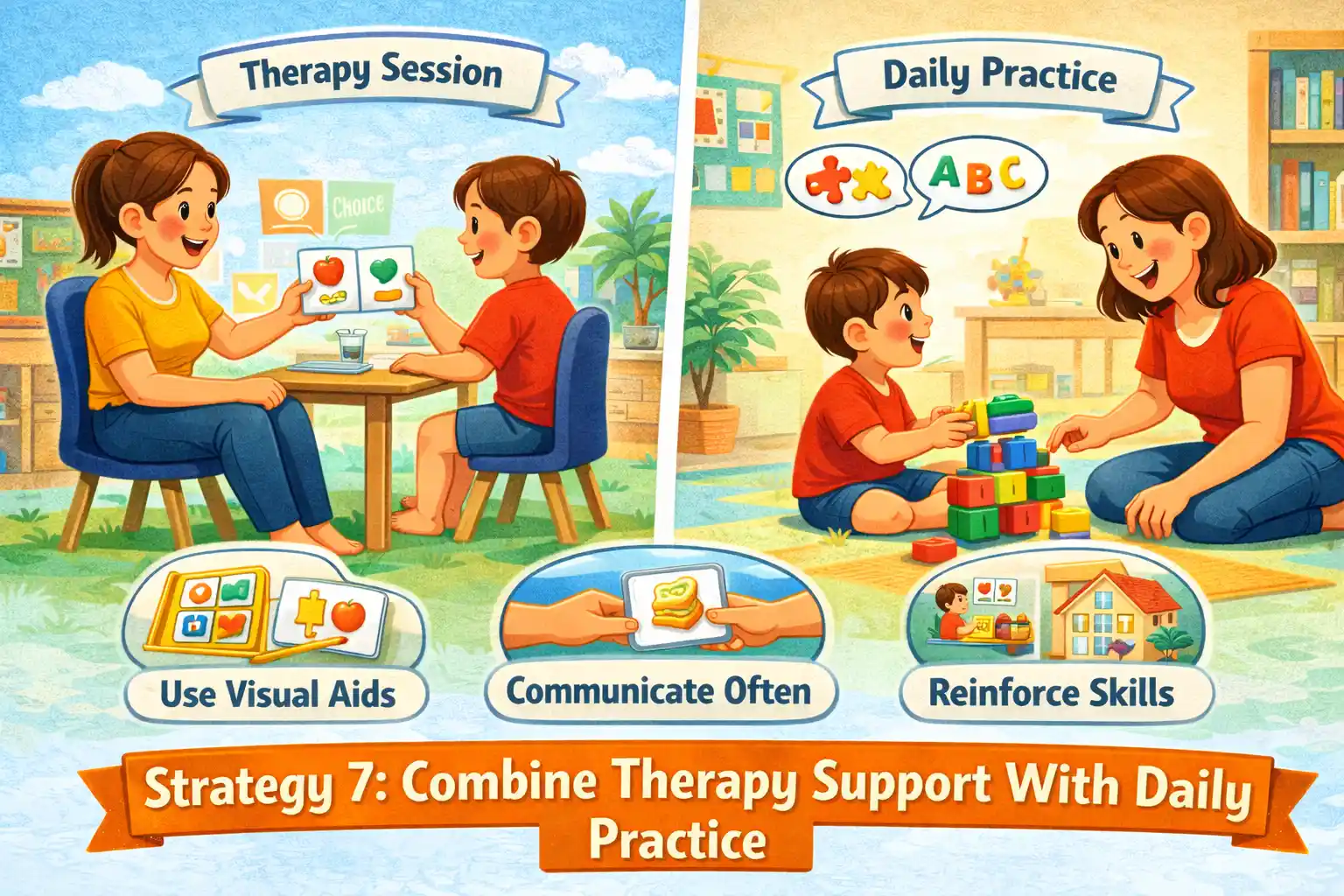
Professional help makes a difference at home. Communication therapy for autism helps with talking, expressing feelings and understanding signals. Speech therapists often use play and examples to build skills. Therapy is not enough on its own. Parents are key to helping their child every day.
Doing communication activities for autism like reading together, copying games and saying how you feel helps. If parents want to know how to help their autistic child communicate better, doing things the way every day is crucial. Practicing communication activities for autism every day helps keep the progress made in therapy and makes it work in places.
Check out 10 Best Speech Therapy Exercises for Autism Children.
Autism Communication Strategies at Home and in School
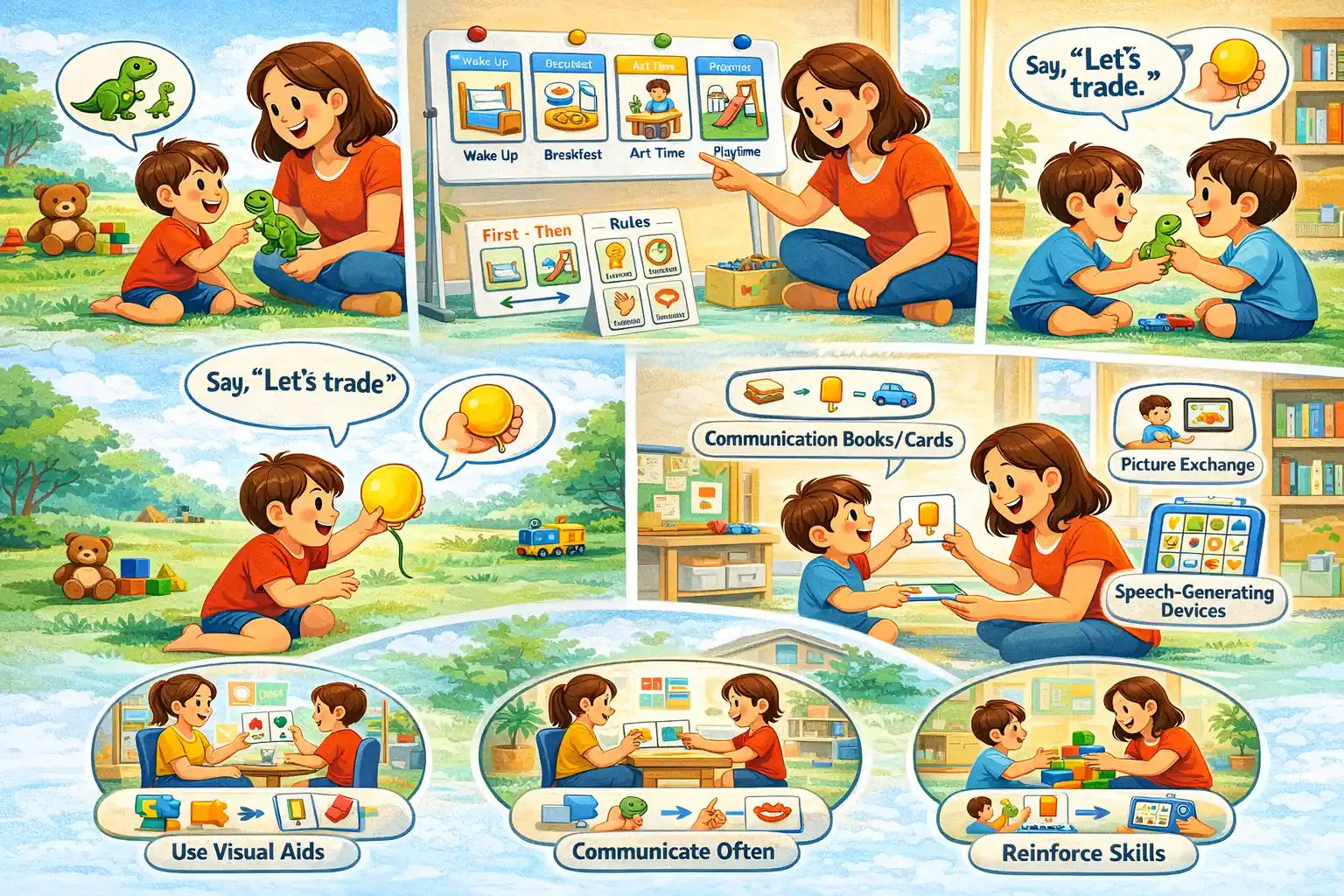
Effective communication support must extend beyond home. Teachers frequently apply autism communication strategies in the classroom to help students understand instructions, participate in group work, and build peer relationships.
Schools use structured visuals, predictable routines, and clear expectations to support learning. These approaches are part of broader communication strategies for autistic students and promote inclusion.
Collaboration between parents and teachers ensures consistency. When families and schools align, children experience stable, supportive environments that encourage growth in autism social communication skills.
How to Communicate Respectfully With Autistic Individuals
When people want to know what is the best way to communicate with someone with autism. The thing is it really depends on the person with autism. You have to listen to them, watch how they react and change how you communicate with them.
Listening and watching are very important using respectful communication strategies for people with autism. You have to let people with autism take their time to think about what you said. You should not give them much to handle at one time because that can be very overwhelming for them. It is also better to be clear and direct when you talk to people with autism than being vague by using autism strategies for communication.
If you are a parent or someone who takes care of a person with autism there are things you can do to help them communicate better. You can outline communication strategies to communicate with individuals on the autism spectrum for them so they know what to expect. Using pictures or other visuals can also be very helpful. When people with autism try to communicate you should praise them. Encourage them to keep trying. These strategies to support communication and social interaction autism can really help people with autism feel more comfortable and confident when they talk to others and that is very important for building relationships with autism and people with autism.
Check out the Best Autism Treatment Centres in Chennai.
Understanding Verbal and Nonverbal Differences
To support communication fully parents must understand what is non verbal communication in autism and how it works. Some kids show signs of non verbal and verbal autism meaning they may use simple words along with gestures or special tools. When parents get what their child is trying to say without words they can respond better. They do not have to wait for their child to speak.
If parents see that their child is looking at something pointing, moving their body or behaving in a way they can understand non verbal autistic meaning, that is a way of communicating. This helps to reduce frustration for both the child and the parent. These insights help parents to communicate better with their child. Autism Communication Strategies makes interaction more natural and less stressful.
Building communication skills in autistic kids takes time, effort and a routine. These strategies are tools that parents can use every day to support meaningful interaction. Whether a child talks or not, communication growth happens through understanding, respect and repetition. By combining therapy, home practice and social guidance parents can create spaces where kids feel heard understood and confident, in expressing themselves.
FAQs
Communication autism refers to how autistic individuals express and understand language, including verbal and nonverbal methods.
They include picture exchange systems, sign language, visual supports, gestures, and structured modeling techniques.
Use simple language, visual supports, allow processing time, and follow the individual’s interests.
The best way is patient, respectful, structured communication adapted to the individual’s needs.
Use daily practice, structured routines, therapy guidance, and interactive play-based communication activities.