

10 Best Tips for Parents to Manage Screen Time for Kids with ADHD
Controlling screen time for kids with ADHD is something that most parents struggle with everyday. Through our experience with families, unmonitored use of the devices can further increase impulsivity, hyperfocus, and emotional reactivity. Parents can be confused about the educational apps and avoiding overstimulation.
Knowing how to do ADHD screen time management using practical techniques, which are based on experience, assists children to be able to focus on their surroundings, self-regulating and forming healthy strategies of using technology without being harmed. This blog can be used to offer practical knowledge and practical observations that may assist parents and educators.
Why Screen Time for Kids with ADHD Needs Careful Attention?
Parents often observe that Screen time for kids with ADHD, who neglect eating, homework, or time with their families affects them. The impulsivity and distractibility of kids with ADHD can be increased by screen time and make their daily routine more difficult.
Even educational apps when not monitored can cause prolonged hyperfocus according to our experience in the clinic. By identifying these trends at an early age, parents can establish some form of structured restrictions and help children develop more healthy habits of using devices, which will guarantee balance and emotional stability.
The initial move towards securing the attention and health of your child is knowing how screens can work against the ADHD characteristics. The next sections of this paper discuss ADHD-related behaviors, the impact of excessive screen time, and practical and experience-supported methods of managing exposure to technology.
Understanding the Challenges of Screen Time for Kids with ADHD
Children with ADHD are impulsive, hyperactive, and they hyperfocus, all of which digital devices can exacerbate. Based on our family observations, unsupervised screen time is a recipe for challenging the daily family routines and for many children’s ability to regulate emotionally. Understanding these patterns, parents can be help with some practical and compassionate ADHD screen time management strategies that will allow kids to have some fun with technology but still focus, self-control, and keep some good routines.

Key Challenges
Parents and therapists report the following common struggles:
- Hyperfocus: Long periods on games or videos delaying homework and chores.
- Impulsive behavior: frequent checking or switching between apps on your device.
- Emotional reactivity: Having a tantrum or getting frustrated when screen time lots taken away.
- Disruption to routines: sleep, meals and time away from screen often disrupted.
Knowing these trends will equip parents to establish predictable routines, work in reward-based systems and use visual schedules that minimize conflict and improve self-regulation in children. Evidence-based advice that helps you turn screen time for kids with ADHD into something you can live with.
How ADHD Symptoms Interact with Screen Time
Children with ADHD are drawn to stimulating content. Observations from therapy sessions and parents reveal that screen time for kids with ADHD often triggers:
- Hyperfocus that delays offline tasks.
- Impulsivity, like rapid app switching or checking notifications.
- Emotional outbursts when devices are removed.
- Decreased self-regulation, hindering transitions to other activities.

Timers, visual schedules and reward-based routines have been our experience in helping with transitions, decreasing frustration and promoting responsible device use, all while keeping both focus and emotional regulation.
Common Struggles Parents Face with Screen Time for Kids with ADHD
Many parents report difficulty managing screen time for ADHD kids, including:
- Negotiating device use multiple times a day
- Comparing siblings’ or peers’ access, creating tension
- Distinguishing educational vs. entertainment screen time
- Tantrums or resistance during screen removal
From our experience, practical strategies include:
- Consistent routines with clear expectations
- Parental controls for timing and content
- Reward-based incentives for following screen rules
- Alternative ADHD-friendly activities
These approaches decrease friction, increase focus and create better digital habits gradually.
Proactive, processes-based solutions are better than after-the-fact responses. Anticipating issues & then establishing transparent rules, alternatives and rewards enables help children with ADHD to have a healthy balance of screen time for kids with ADHD is one that promotes attention, emotional control and everyday functioning.
Why Excessive Screen Time Affects Kids with ADHD Differently
Many Children with ADHD do not react to screens in the same way as a normal child. Digital devices have the power to increase attention deficit, impulsivity, and emotional sensitivity in our observations. Other children might be able to handle a longer time at the screen, but children with ADHD develop hyperfocus or emotional tantrums. The identification of these differences assists the parents to apply ADHD screen time regulations based on experience to ensure that technology use is meaningful, moderated, and consistent with routines that help to focus, emotionally well, and generally healthy.
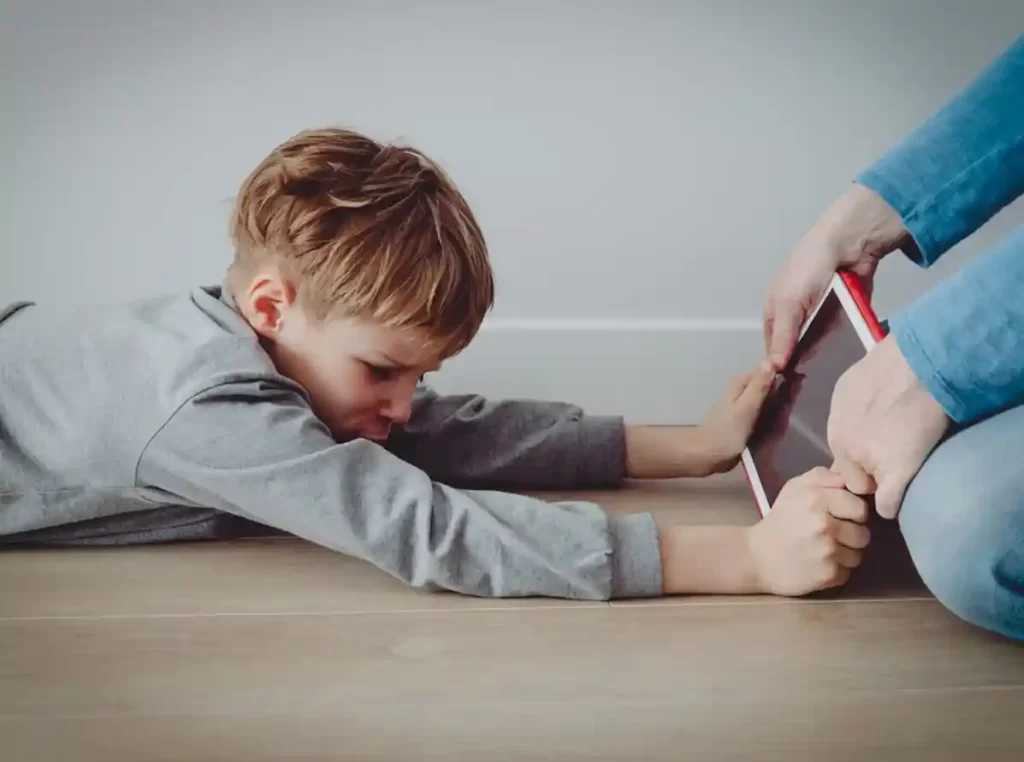
The Effects of Screen Time on Kids with ADHD
Excessive screen exposure can create specific behavioral challenges in children with ADHD.
Observed Effects:
Parents and therapists often notice:
- Increased distractibility and reduced attention span
- Heightened impulsivity and frustration
- Difficulties transitioning to offline tasks
- Disrupted sleep patterns due to late-night screen use
- Reduced social interaction and physical activity
By focusing on moderation, organized strategies for managing screen time in ADHD children, and quality over quantity, parents may effectively manage their children’s screen time when they are aware of these consequences. It has been demonstrated that the changes improve daily operations, emotional balance, and concentration.
Impact on Sleep, Focus, and Emotional Health
Late-night or prolonged screen use can disrupt melatonin production and sleep quality. Children may become irritable, fatigued, or inattentive the next day. Observations indicate:
- Difficulty calming down before bedtime
- Reduced homework focus or task completion
- Increased emotional volatility
Well-planned routines including screen-free zones before bedtime, a mix of physical activity, and soothing bedtime rituals help kids with ADHD to moderate screen time and support their emotional regulation. Routines are important along with moderation.
The Children with ADHD do very well with a combination of screen time/ time off screen (including offline pursuits) and they sleep well and play football and do other physical things – they focus better, they’re in a better mood and they develop more.
Check:- ADHD and Sleep Problems in Toddlers: Causes, Signs, & Interventions
Top 10 Tips for Parents to Manage Screen Time for Kids with ADHD
Evidence-based tips for making the management of screen time for kids with ADHD less overwhelming. Based on what I have observed in therapy sessions and heard from parents, these tips can provide you with concrete strategies to minimize arguing, improve attention, and have a well-established routines.
The good news is that when these approaches are consistently applied, they promote self-regulation and children can still have technology in small doses! Each tip includes a blend of real- world advice and expert-based guidance to support parents in promoting structured, balanced, and positive habits in the digital world.
1. Set Clear Screen Time Limits for Kids with ADHD

- Set daily or weekly screen time limits for children.
- Let timers or visual schedules help with transitions.
- Get your child involved in setting boundaries for more cooperation.
- Praise or incentivize compliance.
It is an established fact that children do better when boundaries are predictable; this helps in preventing tantrums and developing healthy habits associated with the device usage.
2. Encourage Outdoor Play Instead of Excessive Screen Time

- Promote daily physical activity to release energy.
- Offer playground time, sports, or movement-based games.
- Even short outdoor sessions help reduce restlessness and improve focus.
Parents consistently report calmer evenings and improved behavior when children have stimulating outdoor alternatives to screens.
3. Use Parental Controls to Manage Screen Time for Kids with ADHD

- Take advantage of device features or apps to track use.
- Day limits, block inappropriate content or set schedules.
- Introduce technology along with positive reinforcement to counterbalance the use.
It is well known that parental controls diminish arguments and allow kids to have an understanding of boundaries without having to renegotiate endlessly.
4. Create Structured Routines to Reduce Screen Time

- Homework, chores, outdoor play, and screen time work on schedules.
- The use of visual schedules or checklists can also help children know when they will be making transitions.
- Being consistent lessens the urge to grab the device and that enhances concentration.
With predictable family routines, you have smoother days and more adherence to the recommended ADHD screen time guidelines.
5. Model Healthy Digital Habits as Parents

- Limit personal device use during family time.
- Engage in offline activities to set an example.
- Discuss digital boundaries openly.
Children emulate parental behavior; modeling healthy screen time habits for ADHD children reinforces moderation and responsibility.
6. Replace Screen Time with ADHD-Friendly Activities

- Provide activities for ADHD kids like arts, puzzles, or movement games.
- Rotate activities regularly to maintain engagement.
- Structured play supports attention, creativity, and self-regulation.
Families report smoother transitions and reduced reliance on screens when alternative activities are available.
7. Avoid Screen Time Before Bedtime for ADHD Kids

- Create a screen-free time space for yourself starting at least an hour before bed.
- Add relaxing habits such as reading, listening to music, or journaling.
- Have predictable bedtime routines.
Anecdotal evidence suggests that children also fall asleep more quickly and are more focused the next day when their exposure to screens has been restricted in the hour or so before bed.
8. Balance Educational and Entertainment Screen Time

- Prioritize learning apps and interactive lessons.
- Limit purely entertainment-based content to designated periods.
- Discuss the purpose of screen use with your child.
Structured balance ensures technology supports learning without exacerbating ADHD and digital devices challenges.
9. Work with Teachers to Manage Screen Time for Kids with ADHD in Schoolwork

- Coordinate with educators to set homework expectations involving devices.
- Monitor screen-based assignments and breaks.
- Encourage structured, short sessions with planned transitions.
Parents report improved homework compliance and reduced conflict when home and school align on ADHD screen time management.
10. Stay Consistent and Patient in Screen Time Management

- Consistency is key; it can actually make tantrums worse if you suddenly implement or remove limits.
- Gently reinforce rules with positive reinforcement as well.
- Monitor the progress and continue changing routines incrementally.
Experience leads children with ADHD to long-term self regulation and healthy living. Children can be guided to take small, consistent steps based on their experience which helps them develop responsibility around screen use while promoting attention, emotional regulation and wellbeing overall.
Healthy Alternatives to Screen Time for Kids with ADHD
Promoting screen-free activities has been linked to better emotional regulation, attention, and social functioning. Screen time for children with ADHD can be balanced with activities, creative work, and therapy. Children are more compliant, relaxed and focused based on the observations, after having a range of different activities offline. Parents need experience-based alternatives that are fun and structured, to reinforce positive behaviors and healthy routines.
Creative Activities for ADHD Kids

- Arts and crafts: Drawing and painting, or doing crafts, help with concentration.
- Movement games: Energy can be released through movement games like obstacle courses, yoga, dancing.
- Puzzles and memory games: Aid focus and cognitive growth.
- Music or instruments: Strengthens focus, allows for self-expression.
Providing activities for ADHD kids as alternatives helps children enjoy stimulating experiences without screens. Families report calmer routines and improved engagement when offline activities are regularly introduced.
Social and Family Bonding as a Screen-Free Option

- Family board games, storytelling, or shared cooking sessions foster interaction.
- Peer playdates or group activities improve social skills and collaboration.
- Outdoor family adventures mix exercise and quality time together.
It’s the truth that children with ADHD “feel better” when families spend more time doing things without screens (and the experience of many families is that they do emotionally and socially in no small measure).
A child’s ability to focus, interact socially and exercise emotional control are all influenced by a balanced diet of screen time and time away from screens. Positive, healthy alternatives to screen time for kids with ADHD encourage cooperation, decrease tension and help reinforce good habits, making managing devices less painful for parents.
Expert Parenting Tips to Balance Screen Time for Kids with ADHD
Professional guidance can enhance screen time for kids with ADHD strategies. Therapists and specialists observe that combining structured routines with expert advice improves outcomes. Parents can rely on clear, expertise-driven guidance to support attention, emotion management, and positive involvement. Coordinating therapy with everyday screen use allows children to cultivate healthy habits without the sense of being locked down.
When to Seek Professional Help?
Parenting ADHD tips suggest consulting experts when:
- Screen use causes daily conflicts or tantrums
- Sleep disruption persists despite screen limits
- Focus and academic performance decline
- Emotional regulation challenges intensify
Therapists can provide individualized strategies, reward-based routines, and practical insights from experience, guiding families toward effective ADHD screen time management and reduced stress.
Combining Therapy with Screen Time Management
- Integrate behavioral therapy recommendations with daily routines.
- Use therapist-suggested reward systems for compliance.
- Promote involvement in structured, screen-free pastimes.
Parents report that therapy along with structured ADHD and screen time rules results in better focus, emotional regulation, and overall compliance with healthy digital usage.
Professional guidance, along with realistic, tried and true techniques, gives parents the power to successfully implement screen time limits for children with ADHD. Children flourish when therapy, structure, and predictable routines support self-regulation and equitable technology use.
Building Healthy Digital Habits for Kids with ADHD

Balanced screen time for children with ADHD is a goal for the future. Promoting healthy digital habits contributes to stop attention, emotional regulation and self-control. Observationally, children do appear to respond best to a consistent set of rules, parental modeling and reinforcement of positive behavior, which can help technology to be more of a tool and less of a battleground.
Key Points
- Use timers to signal transitions
- Encourage quality over quantity in screen content
- Combine screen time with physical activity and offline engagement
- Praise adherence to limits
With consistent application, experience shows that children develop healthy screen time habits for ADHD children, enjoy technology responsibly, and improve focus, emotional regulation, and overall development. Parents who model, guide, and reward positive behaviors see long-term success.
Balancing screen time for kids with ADHD is a mix of structured and experience-based strategies and consistency. With knowledge of ADHD traits, insight into behaviort patterns, and realistic routines, parents can minimize conflicts, improve focus, and promote emotionally and socially healthy children. Professional support, engaging offline activities, and incremental introduction to technology ensure that children reap the benefits of screens, while learning self-regulation and positive behaviors that will have enduring impact.