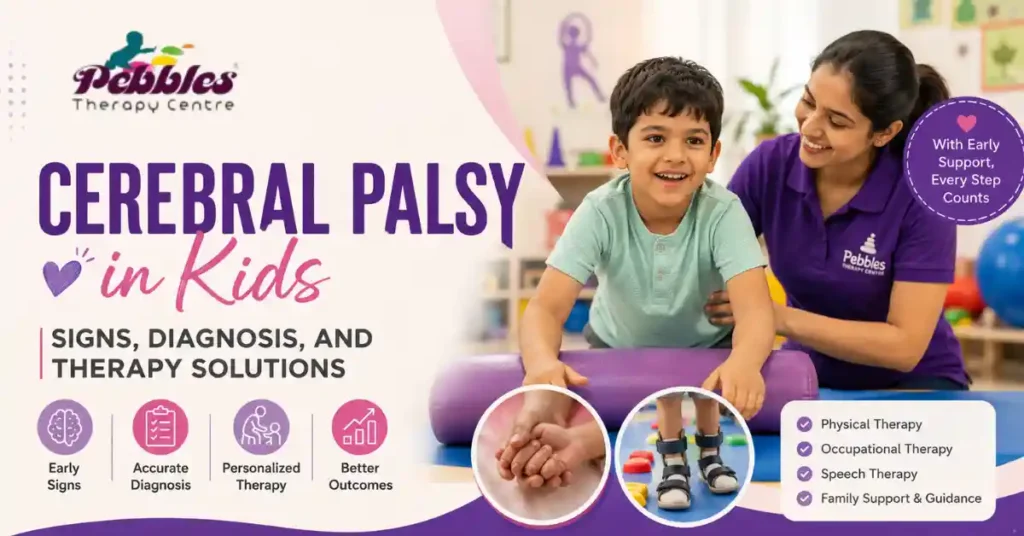
Cerebral Palsy in Kids Signs, Diagnosis, and Therapy Solutions
Cerebral Palsy (CP) is a disorder known to influence the movements of a child, muscle skill, and daily activities. Cerebral Palsy in Kids is usually a condition that is brought about by damage in the developmental brain and in most cases it may be either mild or severe nature of motor delay.
Early initial realization and effective treatment by utilizing therapies such as occupational therapy for cerebral palsy, physical therapy, speech therapy for cerebral palsy can enhance the results. This blog discusses the symptoms, the treatment and most appropriate therapy solutions to curbing the condition in the children with cerebral palsy.
What Is Cerebral Palsy and How Does It Affect Children?
Cerebral Palsy in Kids results in a neurological condition and is a result of damage or defect in brain development or growth. It mostly impacts posture, movement and tone. It may affect either side or both sides of the body depending on its type. The condition can crop up before, during or very soon after birth.
Cerebral palsy has a number of classifications. The types of cerebral palsy includes:
- Spastic Cerebral Palsy– in children: It is the most common one and makes muscles stiff and movements clumsy.
- Dyskinetic Cerebral Palsy: The presence of spasticity with minimal coordination.
- Ataxic Cerebral Palsy: Problems of balance and coordination.
- The Blend of the Types: Mixed Cerebral Palsy.
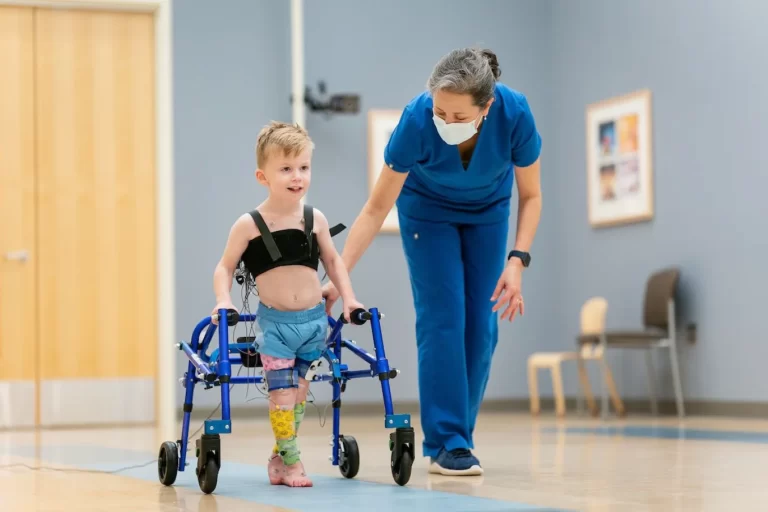
Children with cerebral palsy are also likely to be mentally dull, challenged in their sensory processing skills, have seizures or communication difficulties. It is also possible to develop complications with social integration and mental health due to the developing brain.
Although cerebral palsy affects motor functions, it may not be a sign of cognitive alteration. On the basis of a given patient, cerebral palsy can be been identified early and treated with therapy in order to improve the life and independence.
Early Warning Signs of Cerebral Palsy in Infants and Toddlers
Identifying early signs of cerebral palsy in infants is useful in intervening in time. Look out of development delays and unusual muscle tone or movement.
Common signs include:
- Poor head control after 3 months
- Stiff or floppy muscle tone
- Having a preference of one side of the body
- Slow milestones such as sitting or crawling
- Doing much drooling or trouble swallowing
- Crossed or scissored legs when lifted
Other children with CP can also have symptoms of cerebral palsy which include irritability, spasticity or eyefocus lessening. Such symptoms could be a sign of motor brain damage.
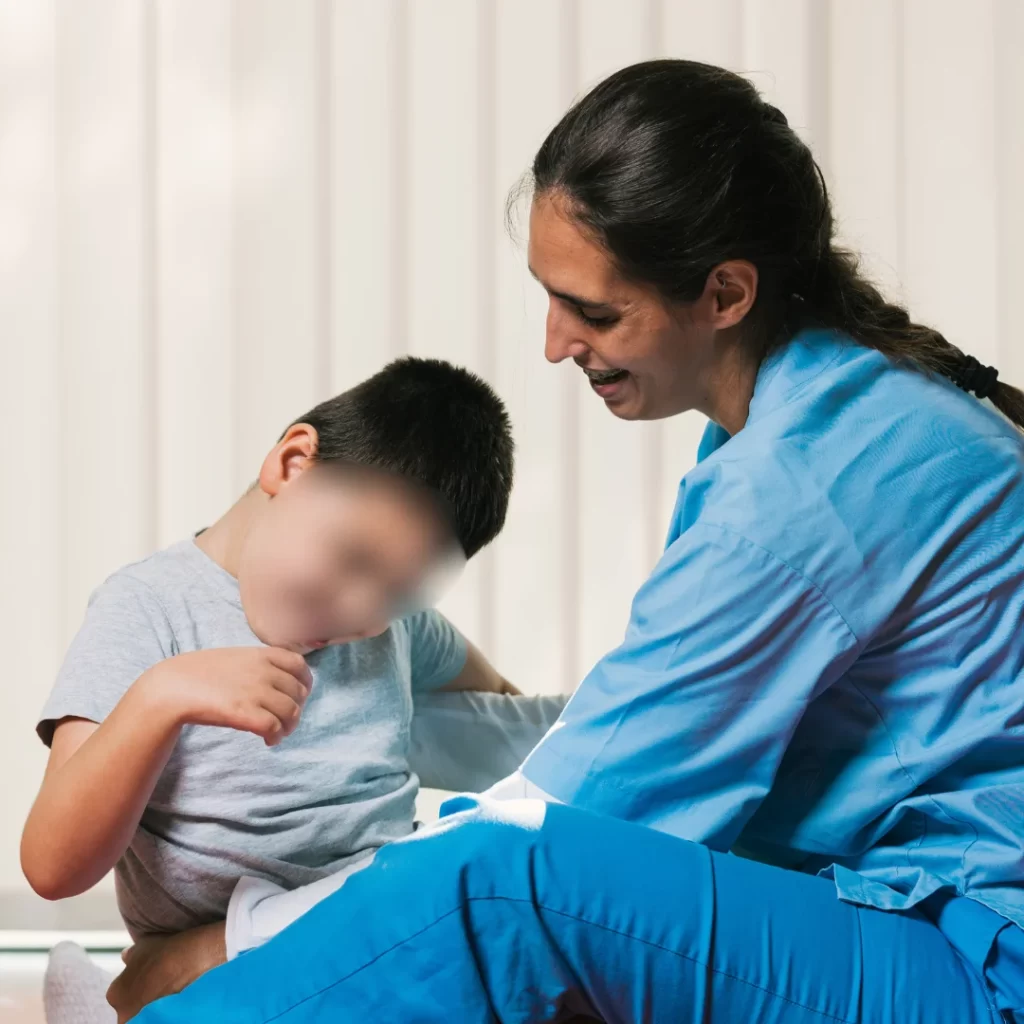
In case your child conforms with one or more of these symptoms, you should think of diagnosing cerebral palsy in toddlers via a developmental professional. Identification at an early stage is vital in a way that appropriate right therapy activities for kids with CP at the appropriate time and with a higher success level.
How Doctors Diagnose Cerebral Palsy in Children
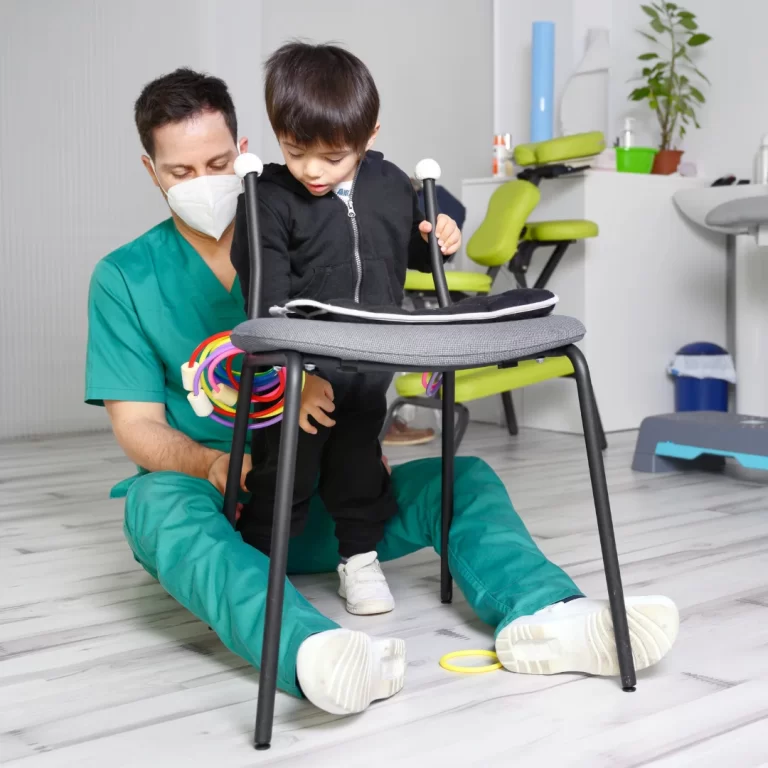
The diagnosis of cerebral palsy is a multi-stage process in which the first steps are observations and developmental screening. Pediatricians test muscle tone, reflexes, postures, and motor skills to identify abnormalities. Open neurological examination may demonstrate the manifestations of spastic cerebral palsy or another motor deficiency.
Advanced tests used in differential diagnosis include:
- MRI or CT scans to detect brain damage
- EEG for seizure activity
- Genetic testing to rule out other disorders
Doctors also evaluate cognitive development and speech and language abilities. The diagnosis can also be discovered with time as the child grows they find constant or changing problems. When cerebral palsy affects both the mental and physical development, timely early therapy is even more crucial.
Early identification of CP enables families to plan possible cerebral palsy treatment options including, therapy, medicine, and assistive technology to have improved life outcomes. If you’re in Chennai, you can try any Cerebral Palsy Treatment near you.
The Role of Occupational Therapy in Managing Cerebral Palsy
The Occupational therapy for cerebral palsy aims to assist the child get independence in his or her day to day activities. OT enhances functional skills, sensory processing and motor planning. It is aimed at work with fine motor skills and coordination, which enables children to dress, feed or write.
Key benefits of OT for CP:
- Enhances everyday living skills such as self-care and playing
- Increases attentiveness, coordination and reaction to sensory input
- Addresses tactile sensitivity and posture
- Encourages use of assistive tools and adaptive techniques
Children with cerebral palsy find it difficult to cope up with school or life in general and a necessary OT is recommended. Occupational therapists go into the adaptation of the learning environments to the strength and weaknesses of a child.
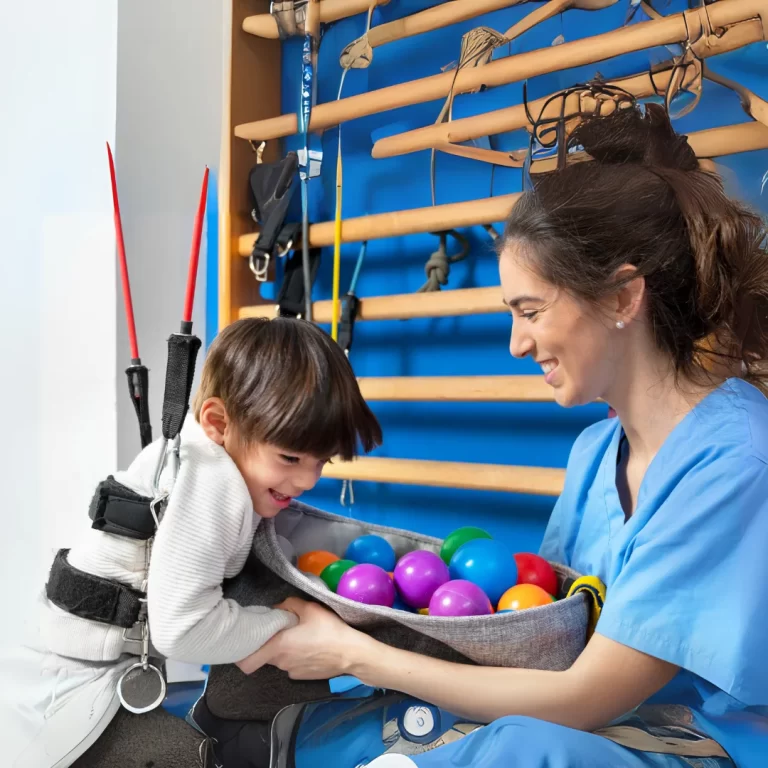
Pediatric OT exercises are stretching, reaching, and sensory diet activities which enhance strength, awareness, and independence. Such activities do not only help in physical development but also protect mental well-being and confidence.
OT offers specific interventions irrespective of the type of cerebral palsy (mild or spastic) to minimize the obstacles as well as enhance the quality of the entire life.
Other Most Effective Therapies for Children with Cerebral Palsy
The comprehensive care plan incorporates various treatments, which are based on the requirements of a child. Other than OT, the most widespread treatments include:
- Physiotherapy using cerebral palsy: promotes mobility, posture and strength. Can be used to enhance gross movements.
- Cerebral palsy speech therapy: This helps in communication, articulation and swallowing.
- Behavioral therapy: Helps in irritations, mood swings and feelings.
- Recreational therapy: This involves art, music and play so as to boost social skills and coordination.
- Academic guidance: Customised learning programmes to promote learning.
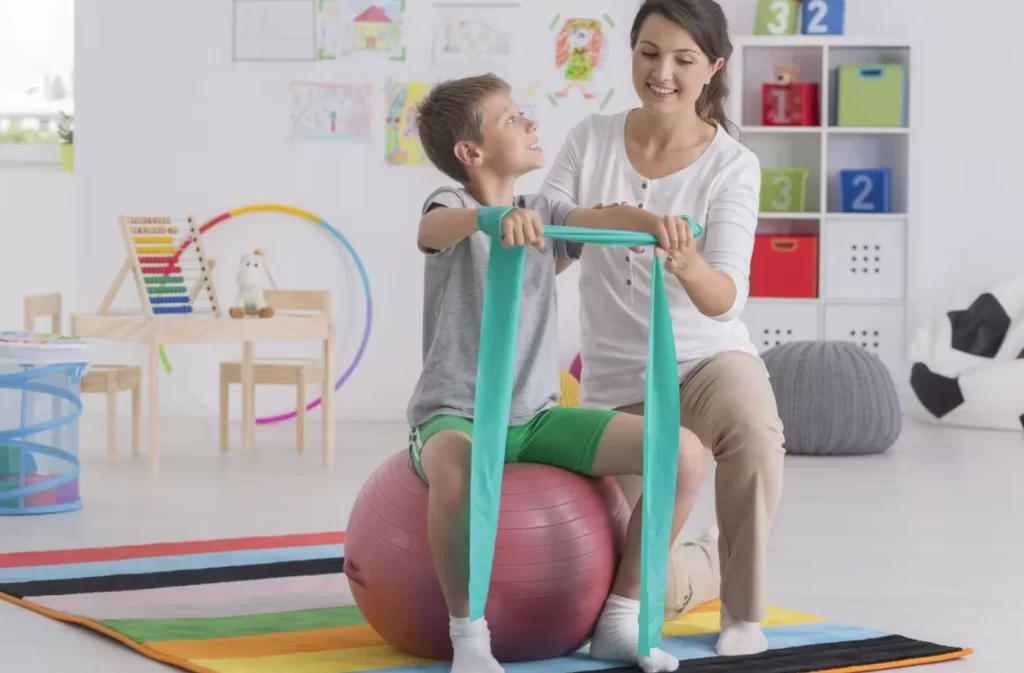
All the therapies are traced to aimed goals and outcomes of the child observed. Secondary problems such as socialization skills, attention, or sensory processing disorders are also discussed as some of the therapies.
With the help of specialists, it is possible to improve developmental outcomes in children with cerebral palsy significantly due to the availability of the correct range of therapies.
Alternative and Complementary Approaches to CP Care
As an alternative intervention, parents are becoming more interested in alternative therapies for cerebral palsy.
One or few these can be:
- Underwater treatment: The buoyancy of water relieves the movements, which develops strength.
- Acupuncture: On selected cases it is used to aid in controlling spasticity and pain.
- Yoga and meditation: An exercise that fosters body awareness and relaxing.
- Hippotherapy (therapy with the horse): balances and coordination.
- Nutritional therapy: It works on the maximization of energy and inflammation reduction.
They are complementary therapies and even though they are not alternatives to OT or PT they are good to the health of the child. Before you start the non-conventional treatment for your kid, you should talk to the child’s specialist and ask whether it is safe and applicable.
Those therapies are particularly useful in the cases of children developing mixed cerebral palsy, as various symptoms demand complex treatment. Individualized plans present the highest opportunity of achieving a holistic growth.
Effective Home Exercises for Children with Cerebral Palsy
Therapy doesn’t end at the clinic. Parents can support cerebral palsy in kids through daily routines and home exercises.
Here are effective cerebral palsy home exercises:
- Stretching routines to reduce stiffness
- Weight-bearing activities like crawling or climbing stairs
- Balance tasks using cushions or boards
- Fine motor play: threading beads, picking up small objects
- Speech drills for improving communication
- Texture and sound play
Frequent use enhances motor control, posture and confidence. Engage the entire family to ensure that such activities are enjoyable and lively.
Before engaging your child in any home exercises, ensure that you first get a go ahead with their therapist. Such routines turned out a helpful supplement to clinical CP therapy options for toddlers and older children when administered properly.
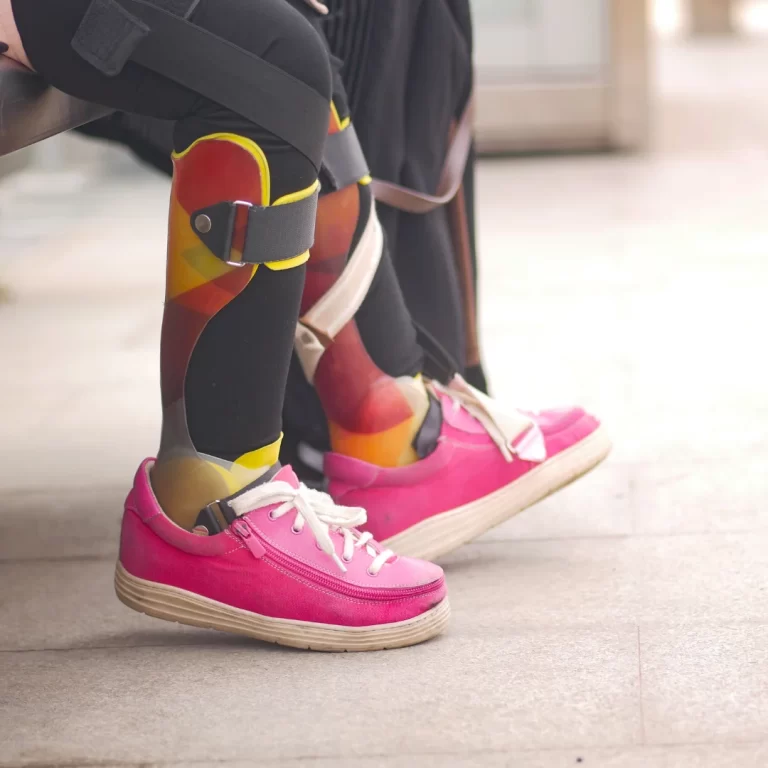
The process of early identification and personalized treatment of Cerebral Palsy in kids is the first step of understanding and treating of this kind of a disability. Occupational therapy, speech therapy, or physical therapy for CP is only one of the treatments, but their multidisciplinary approach will provide more success in the long term.
Each child having CP is special and requires special care without being inclined to disability but ability. Parents, educators, and therapists should collaborate in creating a favorable environment in which the children excel.
FAQs
Children can benefit from occupational therapy, physical therapy, speech therapy, behavioral support, and even alternative therapies for cerebral palsy like aquatic or sensory-based therapies.
Yes. With the right support services and individualized learning plans, many children with cerebral palsy can thrive in inclusive educational settings.
Parents should engage in home exercises, create structured routines, and collaborate with professionals to ensure continuity of care.
It can. Children may require speech therapy for cerebral palsy to improve articulation and language development.
The earlier, the better. Most experts recommend starting by age 2–3 for maximum developmental impact.